
At BAECCC, we believe that cannabis is more than a product — it’s a way to foster community, encourage learning, and support wellness. While our home is the Bay Area, we recognize that the culture of cannabis extends far beyond our region. Across the country, people are finding creative ways to build connection and share stories around cannabis, wellness, and community identity.
The Importance of Local Voices
Every region has its own story to tell. In California, cannabis culture has been shaped by decades of activism and innovation. In other states, communities are just beginning to carve out their space, often facing stigma and navigating new legal landscapes. By listening to these diverse voices, we gain a better understanding of how cannabis intersects with broader issues of health, identity, and community.
Arkansas as a Case Study
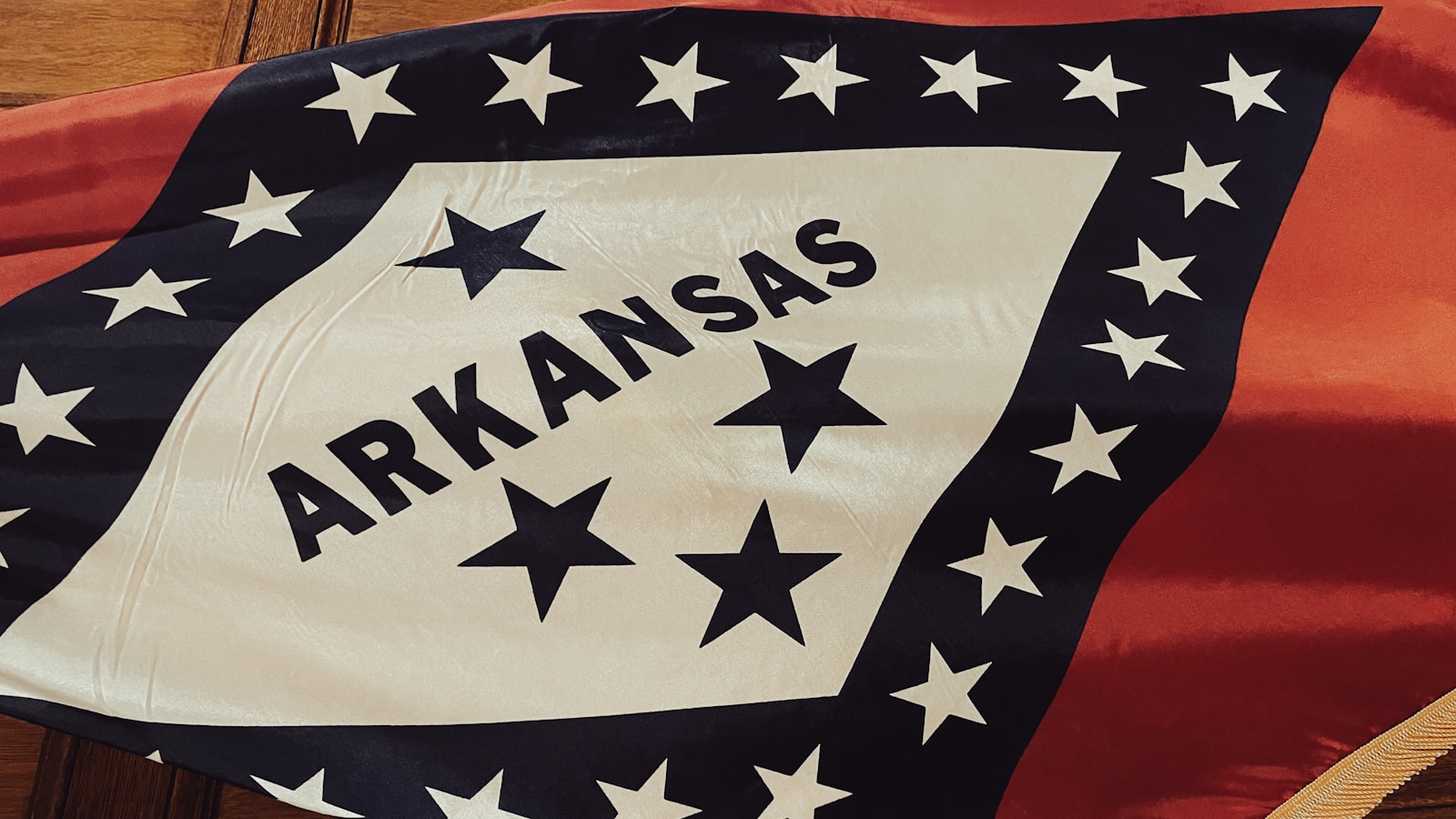
Arkansas may not be the first place that comes to mind when people think about cannabis culture, but the state has a growing community that deserves attention. Beyond cannabis itself, Arkansas has a thriving ecosystem of creators and storytellers using digital platforms to express themselves and build connections. Sites like ArkansasSecrets.com highlight this emerging community, offering a window into how people in the region are navigating culture, wellness, and creativity in their own way.
Shared Challenges, Shared Opportunities
Whether in California or Arkansas, cannabis advocates and creators often face the same challenges: stigma, limited resources, and the need for accurate education. Yet, the opportunities are just as strong — creating safe spaces, building supportive networks, and sharing knowledge that empowers people to make informed choices.
Why This Matters for Us
As a collective rooted in education and advocacy, BAECCC is committed to learning from communities both near and far. By understanding how people across the country are approaching cannabis and wellness, we can strengthen our own efforts here in the Bay Area and support a larger movement of transparency, responsibility, and empowerment.
Conclusion
Cannabis is a plant, but it’s also a bridge. It connects people, cultures, and communities in ways that transcend geography. From the Bay Area to Arkansas, stories of resilience, creativity, and wellness remind us that we are all part of a shared journey. Together, we can continue to cultivate spaces where education, connection, and community thrive.