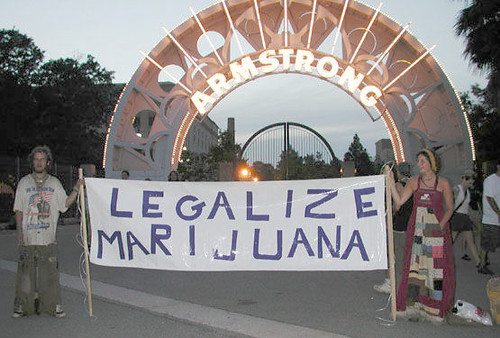
At BAECCC, we believe that cannabis is more than a product — it’s a way to foster community, encourage learning, and support wellness. While our home is the Bay Area, we recognize that the culture of cannabis extends far beyond our region. Across the country, people are finding creative ways to build connection and share stories around cannabis, wellness, and community identity.
The Importance of Local Voices
Every region has its own story to tell. In California, cannabis culture has been shaped by decades of activism and innovation. In other states, communities are just beginning to carve out their space, often facing stigma and navigating new legal landscapes. By listening to these diverse voices, we gain a better understanding of how cannabis intersects with broader issues of health, identity, and community.
Arkansas as a Case Study
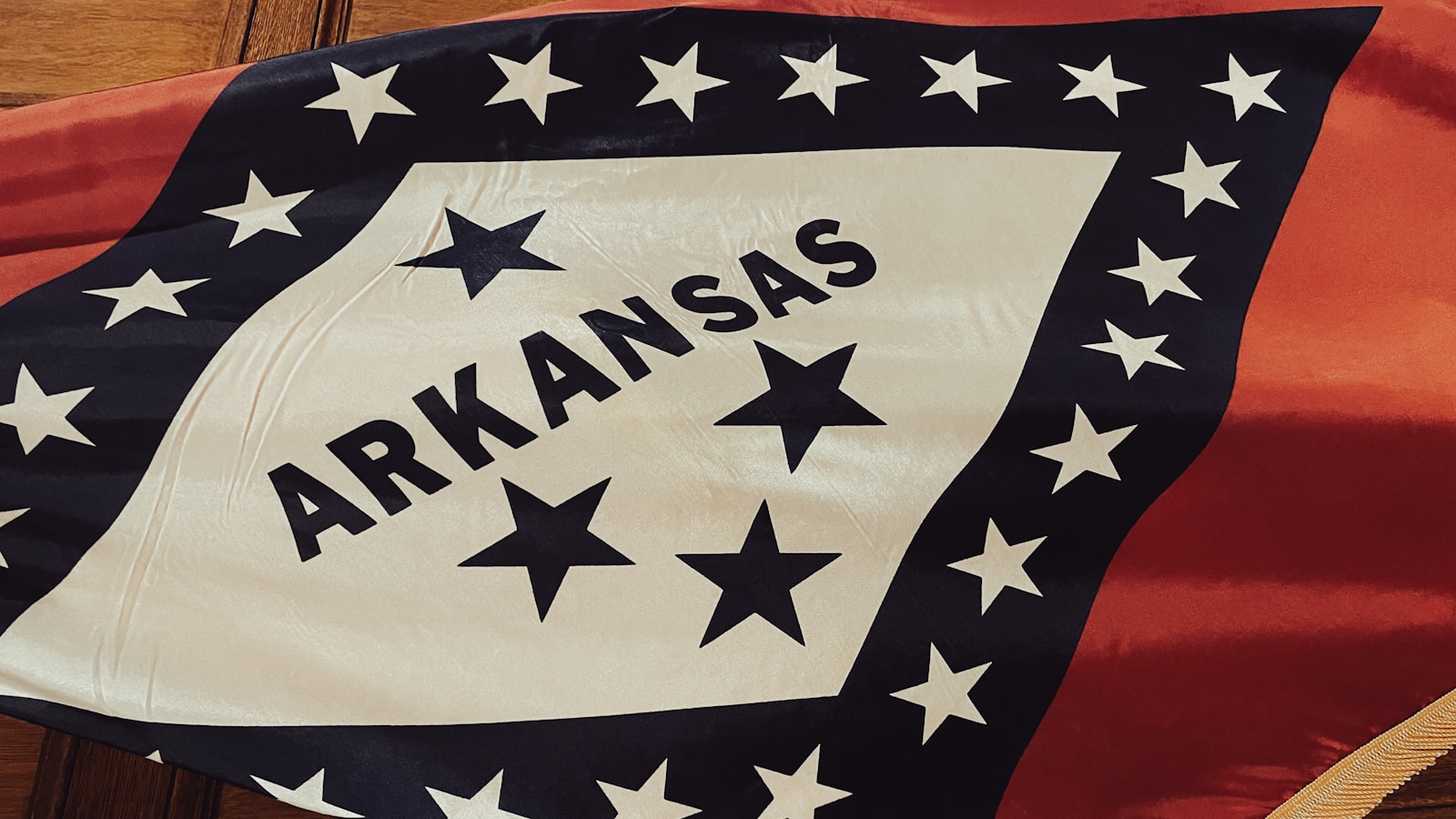
Arkansas may not be the first place that comes to mind when people think about cannabis culture, but the state has a growing community that deserves attention. Beyond cannabis itself, Arkansas has a thriving ecosystem of creators and storytellers using digital platforms to express themselves and build connections. Sites like ArkansasSecrets.com highlight this emerging community, offering a window into how people in the region are navigating culture, wellness, and creativity in their own way.
Shared Challenges, Shared Opportunities
Whether in California or Arkansas, cannabis advocates and creators often face the same challenges: stigma, limited resources, and the need for accurate education. Yet, the opportunities are just as strong — creating safe spaces, building supportive networks, and sharing knowledge that empowers people to make informed choices.
Why This Matters for Us
As a collective rooted in education and advocacy, BAECCC is committed to learning from communities both near and far. By understanding how people across the country are approaching cannabis and wellness, we can strengthen our own efforts here in the Bay Area and support a larger movement of transparency, responsibility, and empowerment.
Conclusion
Cannabis is a plant, but it’s also a bridge. It connects people, cultures, and communities in ways that transcend geography. From the Bay Area to Arkansas, stories of resilience, creativity, and wellness remind us that we are all part of a shared journey. Together, we can continue to cultivate spaces where education, connection, and community thrive.
In today’s digital world, I know that having a strong online presence is essential for cannabis dispensaries that want to thrive in such a competitive market. I’m excited to share ten effective strategies to boost my online marketing game—everything from tapping into the power of social media to optimizing my website for search engines. Whether it’s hosting engaging webinars or teaming up with influencers, these tactics can really help my dispensary shine. I’m all about exploring innovative ways to connect with customers and maximize my brand’s reach online.
1. Create a Strong Online Presence
Establishing a strong online presence is crucial for any cannabis dispensary that wants to thrive in this competitive industry. It really boosts brand visibility and customer engagement, which ultimately drives online sales and helps boost search engine positions.
Since the digital landscape is always changing, having a solid digital strategy is more important than ever. I know that optimizing my website not only ensures it loads quickly and looks great on mobile, but it also incorporates SEO practices that help my dispensary show up prominently in search results.
Using tools like Google My Business can really make a difference in local search visibility, making it easier for potential customers to find my dispensary. Plus, incorporating branding elements that resonate with my target audience—like eye-catching graphics, a friendly tone, and community-driven initiatives—helps build loyalty.
To maintain a strong online presence, I focus on a few best practices:
Regularly updating my content
Engaging with customers on social media
Keeping an eye on analytics to adapt my strategies effectively
2. Utilize Social Media Platforms
Using social media platforms like Facebook and Instagram has really helped me boost my cannabis dispensary’s visibility. It’s a great way to engage directly with my target audience, promote my cannabis products, and build a loyal customer base within the cannabis culture.
To grab the attention of potential customers, I’ve found it helpful to explore different content strategies. I love incorporating user-generated content because it fosters a sense of community and lets my customers share their experiences.
I also can’t stress enough the importance of video marketing. Engaging clips that showcase the benefits of my products or provide educational content really ramp up interest. Plus, offering exclusive promotional deals through social media is a fantastic way to incentivize my followers to make purchases and drive sales.
To make sure these strategies are really effective, I always keep an eye on the analytics to monitor engagement metrics. Checking out likes, shares, and comments allows me to tweak my marketing efforts to resonate better with my audience. This way, I can optimize my future content for maximum impact.
3. Invest in SEO
Investing in SEO is super important for cannabis dispensaries if I want to boost my online visibility, improve my search engine ranking, and attract organic traffic. I need to focus on effective keyword research and website optimization strategies that are tailored specifically to the cannabis market, all while making sure I’m following cannabis laws.
Blending in some solid local SEO strategies is just as crucial like cannabis link building (but be specific in the links you get). This way, I can connect with nearby customers who are actively searching for cannabis products and services in my area. By zeroing in on local keywords and using tools like Google My Business, I can really ramp up foot traffic to my dispensary.
Marketing in the cannabis industry definitely comes with its own set of challenges, like those strict advertising regulations that vary from state to state. Navigating these legal hurdles while building strong backlinks and creating content that truly resonates with my target audience is key to my overall success.
Getting the hang of these techniques can help me build a powerful online presence that attracts the right clientele.
4. Collaborate with Influencers
Teaming up with influencers in the cannabis community can really boost my dispensary’s brand awareness and credibility. It’s like opening up a whole new world of promotional strategies that really connect with my target audience and encourage genuine customer engagement through social proof.
To make the most of this opportunity, I need to find influencers who share my brand’s values and have a real bond with their followers. This means I’m on the lookout for people whose content shows an authentic appreciation for cannabis culture, making sure that any partnership feels credible to potential customers.
I’ve seen successful case studies where strategically chosen influencers have significantly improved engagement metrics, showcasing unique products while educating their audience about responsible consumption. This kind of approach not only builds customer loyalty but also helps to solidify my dispensary’s identity in a fast-changing market.
5. Host Online Events and Webinars
Hosting online events and webinars gives me an incredible chance to connect directly with my audience. It’s all about sharing valuable educational content that not only boosts my brand identity but also builds a sense of community within the cannabis culture.
To really make these events impactful, I know it’s important to organize them with clarity and purpose. I start by picking topics that resonate with current trends and offer insights into the ever-evolving cannabis landscape.
I also love incorporating interactive elements like polls, Q&A sessions, and breakout discussions to encourage dialogue and connection among participants. Plus, presenting the content in a visually appealing and informative way can really take the presentation to the next level.
After the event, I focus on follow-up strategies like sending personalized thank-you emails, asking for feedback through surveys, and sharing recorded sessions to keep the conversation flowing. This ongoing engagement not only strengthens relationships but also helps position my dispensary as a trusted resource in the industry.
6. Offer Online Ordering and Delivery Services
Implementing online ordering and delivery services has been a game-changer for my cannabis dispensary. It’s all about streamlining e-commerce, boosting customer retention, and optimizing transactions by making it super convenient for folks to get their favorite products. Like hyperwolf.com They have been very successful in the California market.
Now, customers can easily browse the menu and place orders right from the comfort of their homes, which is perfect for that tech-savvy crowd that loves efficiency. I’ve found that integrating user-friendly platforms really enhances the overall experience, making it a breeze for customers to pick out their preferred items.
I also love introducing promotional offers because they’re a fantastic way to attract new customers and encourage repeat visits. Special discounts, loyalty programs, and those time-limited deals create a sense of urgency that drives sales while building a loyal customer base that truly values what my dispensary has to offer.
7. Utilize Email Marketing
I’ve found that using email marketing effectively can really boost customer engagement and drive conversion rates for cannabis dispensaries. Sending out personalized newsletters, promotional offers, and content that truly connects with my target audience makes a big difference.
To really amp up the impact of my efforts, I know I need to have a solid content calendar in place. With a well-structured calendar, I can plan, organize, and streamline my campaigns, making sure my messages are consistent and delivered right on time.
I also like to segment my audience based on things like age, location, or purchase history. This way, I can create tailored content that feels relevant and increases response rates.
Adding customer reviews as social proof really helps too—people often look for validation from their peers before deciding to make a purchase.
I make it a point to diligently analyze engagement metrics, like open and click-through rates. These insights are gold; they show me what really resonates with my subscribers and guide my future strategies to optimize performance.
8. Create Engaging and Educational Content
Creating engaging and educational content is super important for me as I work in a cannabis dispensary. It helps establish authority in the cannabis industry by providing valuable information through blog posts and video marketing that really connects with cannabis culture and resonates with the audience.
I can mix it up with different types of content, like infographics that simplify complex topics into easy-to-understand visuals. This way, people can grasp the ins and outs of cannabis products and their effects more easily.
Each type of content plays a vital role in storytelling, allowing me to weave narratives that align with my audience’s experiences and preferences.
I also love incorporating user-generated content because it really amplifies that connection. When customers share their personal stories, reviews, and recommendations, it builds a sense of community around my brand. Plus, it fosters trust when prospective customers see real-life endorsements from fellow cannabis enthusiasts. It’s all about creating a space where everyone feels involved and valued.
9. Utilize Online Directories and Review Sites
I find that utilizing online directories and review sites is super important for cannabis dispensaries like mine. It really helps with reputation management, boosts local SEO, and increases visibility through genuine customer reviews that can draw in potential clients.
By optimizing my listings on these platforms, I can make sure all my information is consistent, accurate, and looks appealing to anyone checking us out. Responding to customer reviews—both the glowing ones and the not-so-great ones—is key for me.
It shows that I genuinely care about customer service and can really shape how people perceive my dispensary.
I also make it a point to encourage happy customers to share their experiences. I do this through targeted follow-up messages or even a little incentive here and there.
These efforts not only help build a loyal customer base but also improve my local search rankings, making it easier for people in the area to find my quality products and services.
10. Utilize Local SEO Strategies
Leveraging local SEO strategies is super important for cannabis dispensaries like mine if I want to improve customer acquisition and make sure my cannabis products are easy to find for potential customers in the area. Optimizing my listings and using Google My Business is key.
By using effective keyword optimization for local searches, I can really boost my online visibility. It’s all about incorporating those specific phrases that folks in my area are likely to search for, which increases the chances of showing up in relevant search results.
Managing my Google My Business profile is a game-changer. It lets me share crucial details like my hours of operation and what products I have available, which is essential for my local customers. Plus, creating local content that resonates with the community helps me strengthen engagement and build trust.
And let’s not forget about targeted local marketing campaigns! They help me connect with specific audiences more effectively, driving both foot traffic and online interactions that cater to local preferences.
What Are the Legal Restrictions for Marketing a Cannabis Dispensary Online?
Understanding the legal restrictions for marketing a cannabis dispensary online is crucial if I want to stay compliant in the cannabis industry. It helps me ensure that my marketing practices are ethical and follow the advertising regulations while effectively reaching potential customers.
Navigating the tricky world of advertising regulations can be quite a challenge, especially since the laws can vary so much from one state or municipality to another. I need to familiarize myself with the local laws that dictate not just how I can promote products, but also what kinds of imagery and language are acceptable in my advertising efforts.
If I don’t comply with these regulations, it could lead to serious consequences, like hefty fines and a damaged reputation for my dispensary. That’s why it’s essential for me to develop ethical marketing strategies that align with local laws. Prioritizing transparency and building trust with my target audience is key to my success.
How Can a Cannabis Dispensary Stand Out in a Saturated Online Market?
In today’s crowded online market, I’ve found that cannabis dispensaries can really shine by crafting a strong branding strategy that highlights what makes them different through unique offerings and top-notch customer engagement.
To make this happen, it’s essential to figure out specific target audience segments. That way, I can tailor my messaging and product offerings to connect with different consumer needs and preferences. For instance, I could focus on wellness-minded customers by showcasing products that are rich in CBD and sharing personal stories that illustrate the benefits of those products.
I might also highlight exclusive strains or artisan products to set myself apart from the competition, tapping into the growing trend of craft cannabis.
Successful dispensaries like MedMen and Green Thumb Industries have shown how powerful it can be to create engaging brand narratives and promote unique product lines. This approach not only boosts customer loyalty but also builds a community around the brand.
What Are the Benefits of Utilizing Online Marketing for a Cannabis Dispensary?
Using online marketing for my cannabis dispensary has so many benefits. I get to boost visibility, sharpen my customer acquisition strategies, and track conversion funnels and analytics, which helps me make data-driven marketing decisions.
What I really love is how cost-effective online marketing is. It allows me to allocate my budget way more efficiently compared to traditional advertising methods. Plus, targeted ad capabilities let me reach specific demographics, ensuring my message hits home with the right audience.
For instance, I came across a case study of a dispensary in Colorado that used geo-targeted ads and saw a 40% increase in foot traffic within just three months. That’s impressive!
By tapping into social media platforms, I can engage with potential customers in real-time, building a community around my brand and boosting loyalty among my existing clients. This mix of outreach and engagement makes online marketing an essential tool in the cannabis industry.
Cannabis Dispensary Online Marketing Statistics
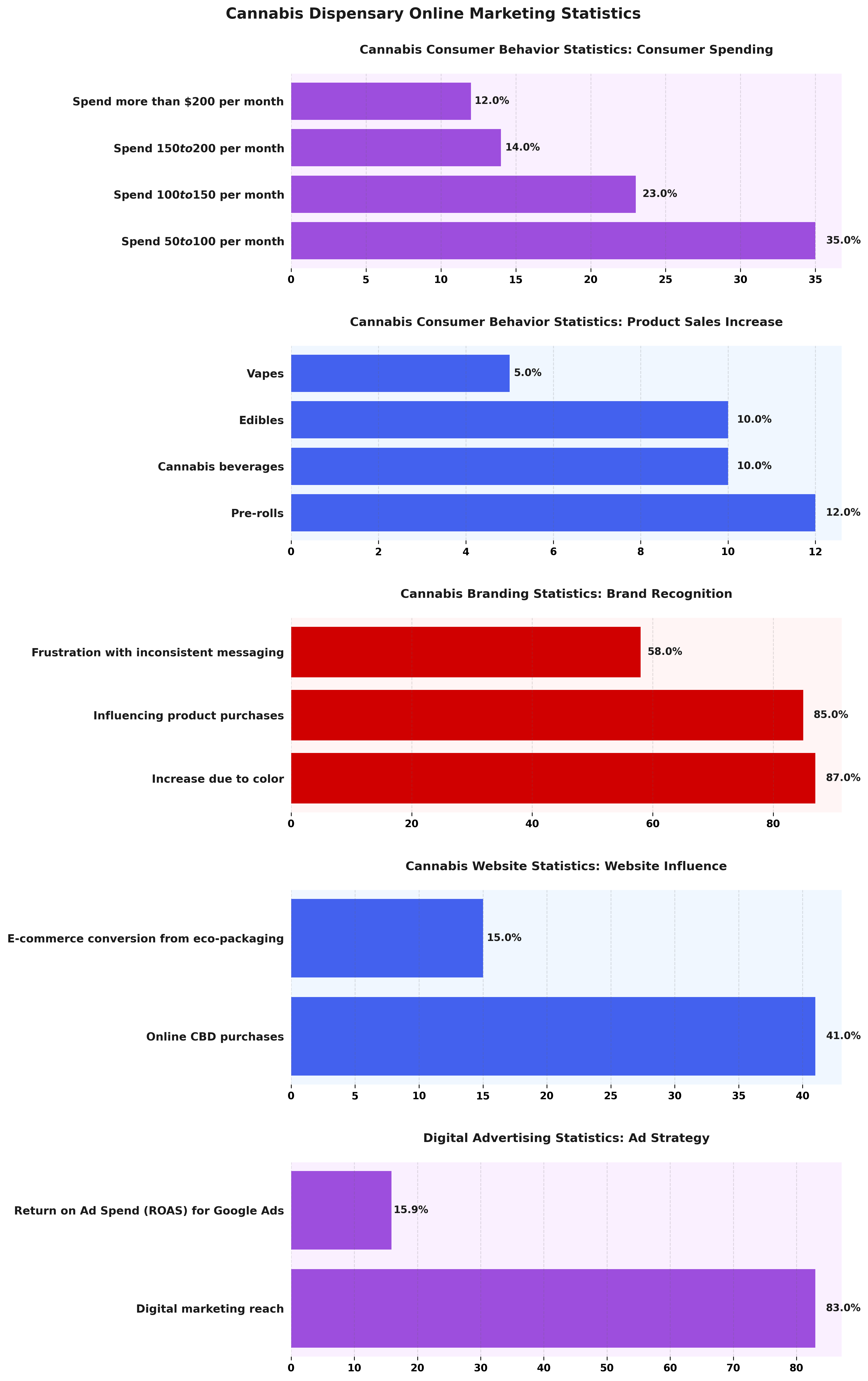
The Cannabis Dispensary Online Marketing Statistics offers a comprehensive view of consumer behavior, branding, digital presence, and advertising strategies in the cannabis market. This data highlights the importance of understanding customer spending habits, effective branding techniques, website influences, and digital advertising efficiencies.
Cannabis Consumer Behavior Statistics indicate varied spending patterns among consumers. 35% of consumers spend between $50 to $100 monthly on cannabis products, while 23% spend between $100 to $150. Notably, 14% spend $150 to $200, and 12% spend over $200. These figures suggest that while a significant portion of consumers are moderate spenders, there is a notable segment of high spenders, which businesses can target for premium products and services. In terms of product sales, pre-rolls lead with a 12% increase, followed by cannabis beverages and edibles at 10%, and vapes at 5%. This data highlights a growing interest in diversified cannabis products beyond traditional flower.
Cannabis Branding Statistics emphasize the power of branding. 87% of brand recognition increases are due to color, and 85% of consumers are influenced by brand recognition in product purchases. However, 58% express frustration with inconsistent messaging, indicating the need for cohesive branding strategies that ensure consistent and recognizable branding elements to enhance consumer trust and engagement.
Cannabis Website Statistics reveal the influence of online platforms, with 41% of CBD purchases occurring online. Moreover, 15% of e-commerce conversions are attributed to eco-packaging, showcasing the impact of sustainability efforts on consumer decisions. This suggests that businesses can benefit from enhancing their digital presence and incorporating sustainable practices to attract environmentally conscious consumers.
Digital Advertising Statistics underscore the significance of digital marketing, with an 83% reach through digital marketing strategies. Additionally, there is a 15.9% Return on Ad Spend (ROAS) for Google Ads, indicating the effectiveness of targeted digital campaigns in generating returns. This data highlights the essential role of digital advertising in reaching and engaging target audiences effectively.
Overall, the Cannabis Dispensary Online Marketing Statistics provide valuable insights for businesses to tailor their strategies across consumer spending, product offerings, branding consistency, website optimization, and advertising to enhance market presence and drive growth.
How Can a Cannabis Dispensary Utilize Social Media to Market Their Business?
I can really make the most of social media to market my cannabis dispensary by creating engaging visual content, implementing promotional strategies, and analyzing audience insights to connect better with my customers.
By focusing on colorful, high-quality images and videos that showcase the unique aspects of my products, I can attract potential customers who appreciate aesthetic appeal. I also love incorporating user-generated content like customer reviews and photos, which helps foster authenticity and build a genuine sense of community.
Using social media analytics tools, I can track engagement rates to figure out what content resonates most with my audience. This information is super helpful for refining my marketing strategies and cultivating an active, supportive community around my brand.
Plus, by engaging with my followers through comments and messages, I can enhance those relationships and show that I really value their input and contributions.
What Are the Key Elements of a Successful Online Marketing Strategy for a Cannabis Dispensary?
When I think about a successful online marketing strategy for a cannabis dispensary, a few key elements come to mind: a strong branding presence, effective SEO practices, targeted email marketing campaigns, and a constant eye on analytics to gauge customer retention and engagement.
Each of these components is crucial for boosting the dispensary’s digital visibility and connecting with customers. For example, having strong branding not only sets the dispensary apart from its competitors but also builds customer loyalty thanks to recognizable logos and consistent messaging.
Then there’s effective SEO—optimizing my website content with relevant keywords and local listings makes it easier for potential customers to find me online. Targeted email marketing campaigns allow me to communicate with customers more personally by sending them tailored offers based on their preferences and what they’ve purchased before.
Finally, by keeping an eye on engagement metrics, I can refine my strategies, ensuring everything works together smoothly to create a strong and effective online identity.
The CBD market has seen significant growth in recent years, drawing interest from both buyers and investors due to increased awareness of its health benefits and therapeutic uses.
This article looks at the current state of the CBD industry, focusing on what is driving its growth, such as changing regulations and shifting consumer preferences .
Examining the main companies in the market shows the difficulties they encounter, such as rules and following regulations, and the possibilities ahead. opportunities for expansion in international markets.
There is also a discussion on what the future might hold for this dynamic sector.
Join us as we unpack the trends shaping the CBD market today.
The Growth of the CBD Market
The CBD market has grown significantly in the past few years because more people are interested in cannabidiol (CBD) and its health advantages. This market growth can be attributed to a variety of factors, including the legalization of hemp products across various regions and a growing awareness of the therapeutic uses of CBD in wellness products, tinctures, oils, and even skincare.
We are seeing changes in the retail market and new trends that indicate strong possibilities for ongoing growth in the industry.
Overview of the CBD Industry
The CBD industry encompasses a diverse range of products, including tinctures, oils, edibles, and CBD-infused beverages, catering to various consumer demographics and preferences.
This growing market draws people focused on health who want help with anxiety, long-term pain, and sleep problems. It attracts people interested in different health choices and curious about new products like full-spectrum CBD, broad-spectrum CBD, and CBD isolate formulas.
Growth trends indicate a significant increase in sales as awareness surrounding the potential benefits of CBD heightens. Recently, the market has introduced new product formulas, such as nanoemulsion technology, that help the body absorb substances better.
Segmentation based on age and lifestyle is evident, with younger consumers favoring trendy, consumable options like gummies and older demographics leaning towards traditional tinctures and topicals.
As rules change, more customized products will probably appear, giving consumers a wider range of choices.
Factors Driving the Trend
Several key factors are driving the trend of CBD market growth, including the increasing consumer demand for natural health solutions, heightened awareness of the health benefits associated with cannabidiol, and the favorable regulatory environment that supports legalization.
Legality and Regulations
The legality of CBD products varies significantly from one region to another, influenced by local regulations, advertising regulations, and public health policies that dictate the sale and distribution of hemp-derived products.
As businesses look to enter this growing market, they must deal with a mix of laws that can vary between countries, states, and cities.
These differences make it hard to create complete plans for entering the market because companies have to keep up with changing laws, like rules for labeling and dosage limits.
Dealing with these regulations often involves many difficulties, including meeting strict compliance rules and handling the risks of possible legal consequences.
Public opinion is important, as it affects regulations. Lawmakers adjust rules based on how people feel about hemp products, which can impact market chances and consumer confidence.
Consumer Demand and Preferences
Interest in CBD products has grown as people look for natural health options. Many are especially interested in the health benefits of different products like oils, edibles, and creams.
As consumers become increasingly aware of the diverse options available in the CBD market, their preferences are guiding brands to innovate and expand their product lines to meet specific needs.
This is coupled with a growing emphasis on ingredient transparency, as customers desire to know exactly what they’re putting into their bodies. Safety concerns surrounding product quality and authenticity have led consumers to scrutinize brands more carefully, ultimately impacting their purchasing decisions.
When brands focus on high standards and clearly share detailed information about what they use and where they get it, they build trust and increase loyalty. As a result, the mix of what consumers want and safety issues is changing the CBD market.
Current State of the CBD Market
The CBD market is growing quickly. It has many competitors, including well-known brands and new companies.
Sales are made through online stores, retail partnerships, and direct-to-consumer methods.
CBD Market Data 2024
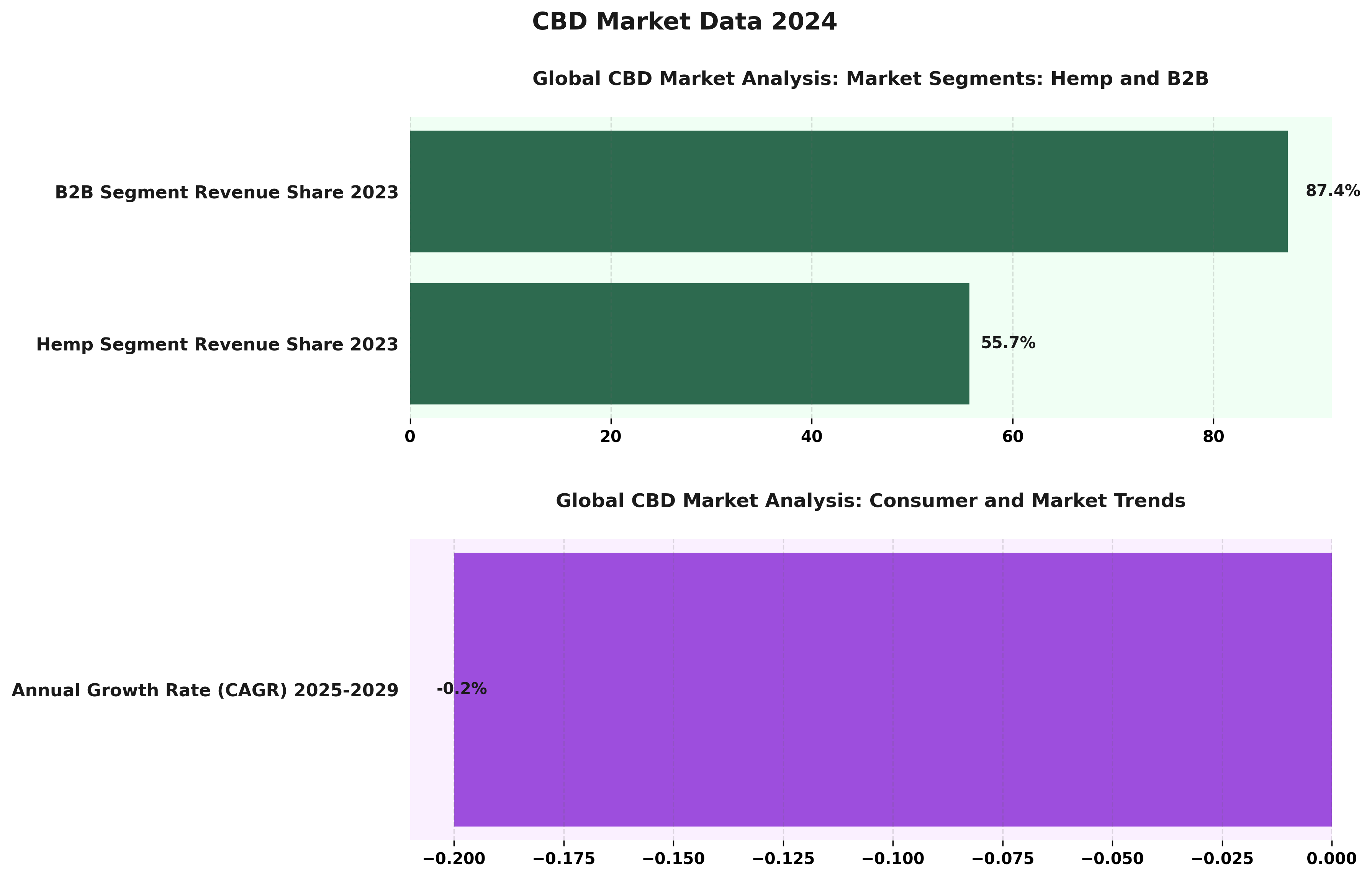
The CBD Market Data 2024 offers insightful analysis into the global CBD market’s dynamics, focusing on revenue distribution across segments and growth expectations. The data highlights key market segments, specifically the hemp and B2B sectors, and provides a glimpse into projected consumer and market trends.
Within the Global CBD Market Analysis , the Hemp Segment commands a significant 55.7% revenue share in 2023 . This indicates hemp’s prominence as a primary source for CBD extraction, driven by its legal acceptance in various regions and its versatility in product formulation. Hemp-derived CBD products are favored in markets with restrictive cannabis laws, contributing to this substantial revenue share.
Moreover, the B2B Segment exhibits an even more dominant position, with an 87.4% revenue share in 2023 . This underscores the significant role of B2B transactions in the CBD industry, encompassing bulk sales to manufacturers, distributors, and product developers. The high percentage reflects the industry’s reliance on wholesale operations to supply a diverse range of CBD-infused products, from wellness and beauty to food and beverage sectors.
Looking ahead, the Consumer and Market Trends indicate an anticipated -0.2% annual growth rate (CAGR) from 2025 to 2029 . This projected decline suggests potential market saturation or regulatory challenges impacting growth. It also highlights the necessity for innovation and diversification within the industry to sustain consumer interest and market expansion. Factors like changing customer tastes, competition, and new laws might lead to this slight decrease.
To sum up, the CBD Market Data 2024 shows a strong industry mainly led by the hemp and B2B segments. Even with strong revenue shares, the predicted drop in growth highlights the need for changes in strategy and new ideas in the market to keep progress going in this constantly changing industry.
Key Players and Market Share
Main businesses in the CBD market include big, well-known companies and new, creative startups. They all compete for customers and look for ways to get more funding to grow, leveraging e-commerce and digital marketing strategies.
These companies use different methods, such as improving product lines with top-quality formulas and new extraction methods, focusing on specific market segments like niche markets, and running broad marketing campaigns to reach consumers.
Big companies have gained large market shares by using their distribution networks and customer loyalty. Meanwhile, newer companies often use flexible methods to challenge traditional ways.
The wave of company mergers and purchases in this area is changing the business scene, as firms join forces and share knowledge to speed up their growth paths.
Venture capital is very important in this fast-changing industry. It gives the necessary money to support new ideas and grow the market, helping the CBD industry progress overall.
Challenges and Opportunities in the CBD Market
The CBD market offers many chances for growth and expansion, but it also encounters major difficulties, such as regulatory challenges, market crowding, and ongoing issues with public perception and consumer safety that can affect sales and brand reputation.
Obstacles to Growth
Obstacles to growth in the CBD market include stringent business regulations, fluctuating public perception, and potential legal challenges that can impede market entry and expansion.
These challenges often make it difficult for businesses to manage the compliance rules and also deal with the doubts some consumers might have about CBD products.
Challenges such as different state laws and changing federal rules can create confusion, making it hard for companies to plan for long-term investments. Negative perceptions fueled by misinformation about CBD’s effects can deter potential customers.
To tackle these issues, companies are focusing on transparency in product labeling, investing in educational campaigns to inform the public about the benefits of CBD, and actively engaging with regulators to help shape more favorable policies.
Potential for Market Expansion
The potential for market expansion in the CBD sector is significant, driven by trends in product innovation, sustainability, and the increasing acceptance of hemp products among consumers, along with investment opportunities in secondary markets like health food stores and cannabis dispensaries.
This growing field offers many chances for businesses wanting to put in money and try new things.
Companies that focus on sustainable sourcing and environmentally friendly practices can gain a competitive edge. For instance, tapping into the demand for organic CBD oils and edibles could attract health-conscious consumers who prioritize eco-friendly products.
There’s an increasing interest in alternative delivery methods, such as CBD-infused beverages and topical applications, which provide unique consumer experiences. By matching their products with what customers want, brands can succeed in this fast-changing CBD market where product innovation is key.
The Future of the CBD Market
The outlook for the CBD market looks positive, with predictions indicating consistent growth due to increasing consumer interest, continuous new product development, and greater presence in health and wellness sectors driven by the hemp industry and legalization efforts.
Predictions and Projections
Predictions for the CBD market show strong growth in the coming years. Experts expect more spending by consumers on CBD products and a wider variety of products designed for particular health benefits, including tinctures, edibles, and topicals.
As consumers pay more attention to their buying choices, businesses need to focus on quality standards and come up with new marketing strategies to meet changing tastes, leveraging e-commerce and social media influence.
Market predictions indicate a growing demand for organic and sustainably sourced products. There’s also a rising interest in clear labeling and information about their advantages, as consumers look for more knowledge and clarity about how products are sourced and how well they work.
Companies that adjust to this change by being open and using customer feedback, while incorporating consumer demographics and social media influence into their strategies, will likely improve their market position.
As prices change due to supply chain problems and new rules, businesses need flexible pricing plans to handle these changes and maintain steady growth in the competitive CBD market.
Frequently Asked Questions
What is the trend in the CBD market?
The trend in the CBD market is continually growing and expanding due to the increasing popularity and consumer demand for natural remedies, driven by the therapeutic uses of cannabidiol and other cannabinoids.
Why is the CBD market experiencing such growth?
The growth in the CBD market can be attributed to the increasing acceptance and legalization of CBD products, as well as the growing awareness of its potential health benefits and economic impact on the wellness products sector.
What products are considered part of the CBD market?
CBD products come in a variety of forms, including oils, tinctures, edibles, topicals, and even pet products. They can also be found in beauty and skincare products, catering to diverse consumer demographics and lifestyle integration.
Are there any regulations in place for the CBD market?
Yes, the CBD market is subject to regulations and laws set by the Food and Drug Administration (FDA) and individual state governments. It is important to research and purchase CBD products from reputable and legal sources, considering legal considerations and advertising regulations.
What is the expected growth for the CBD market in the coming years?
According to market research, the CBD market is expected to reach a value of $16 billion by 2025. This shows the continued growth and potential for the industry, highlighting significant investment opportunities and market maturity.
What are the main factors driving the trend in the CBD market?
The main factors driving the trend in the CBD market include the increasing consumer interest in natural and alternative health remedies, the growing acceptance of CBD, and the potential for financial success in the industry, fueled by market trends in international markets and secondary markets like cannabis dispensaries and health food stores.
As the market for CBD products As things grow, knowing the range of options and their specific advantages is now more important than before.
This article guides you through the various types of CBD products available, exploring their uses and advantages.
It examines the factors influencing sales, such as legal regulations and consumer trends .
Find the best-selling products and brands, plus advice on selecting the right ones. CBD to meet your personal needs and improve your sales plans in this growing market.
Understanding CBD Products
Learning about CBD products is important for anyone who wants to use hemp-derived CBD for health, therapy, or improving their daily life.
As the CBD market grows, many products like CBD oil, CBD gummies, CBD tinctures, and CBD vapes have become available, each providing different benefits for consumer needs.
When examining CBD, it’s important to understand the differences in product types, quality, and effectiveness, as well as the market trends that influence what people choose and like.
This way, we can feel sure about looking at the increasing variety of CBD products.
Types of CBD Products
The market is flooded with various types of CBD products that cater to different preferences and health needs, including CBD oil, CBD gummies, CBD capsules, and strong 5000 mg CBD creams. These types of products are available in three forms: full-spectrum CBD, broad-spectrum CBD, and CBD isolate. Each one contains different compounds and possible benefits.
The increasing popularity of drinks and skincare products with CBD has changed how people can use hemp-based CBD, offering varied choices for health and personal care.
For example, full-spectrum CBD contains various cannabinoids, CBD extracts, and terpenes that may work together to improve its healing effects.
Broad-spectrum CBD offers the same advantages as full-spectrum CBD, which contains many cannabinoids, but it does not include THC. This is a suitable option for those concerned about drug tests, as it contains organic CBD.
Innovative options like CBD-infused beverages are gaining popularity for their convenience and enjoyable consumption experience, while CBD skincare products are increasingly sought after for their potential anti-inflammatory effects, helping to soothe skin irritations and improve overall complexion.
These different types of products improve the user experience and make CBD available to people with different lifestyles and health goals.
Benefits and Uses
CBD products are well-known for their many benefits, such as reducing anxiety and chronic pain, helping with sleep, and improving general health. As research keeps showing the healing benefits of cannabinoids, a lot of people are using CBD for its natural treatments and overall health benefits. Adults use CBD for their health, and it can help pets too. This makes CBD a popular option for pet owners looking for different treatments.
Studies have shown that CBD can help reduce symptoms of anxiety by interacting with receptors in the brain that regulate mood and stress response. Many users have reported significant improvements in their daily lives, with testimonials highlighting decreased feelings of anxiety during high-pressure situations.
Those suffering from chronic pain have found solace in CBD’s anti-inflammatory properties, offering a more natural means to manage discomfort without the harsh side effects associated with traditional pain medications.
Regarding sleep issues, individuals often share how incorporating CBD into their nightly routine leads to more restful and uninterrupted slumber. Studies show that CBD might help lower anxiety and pain in pets. This has led to interest in dosage guidelines that guarantee safety and results for pets.
Factors that Affect CBD Product Sales
The growth of CBD product sales is influenced by multiple factors, including legality, market trends, and effective marketing strategies.
Knowing the laws around CBD is important because they differ by area and affect whether people can buy hemp-derived CBD products.
The success of CBD retailers depends on good distribution and marketing plans that connect with their audience, which affects the CBD market and sales numbers.
CBD Product Sales Data 2024
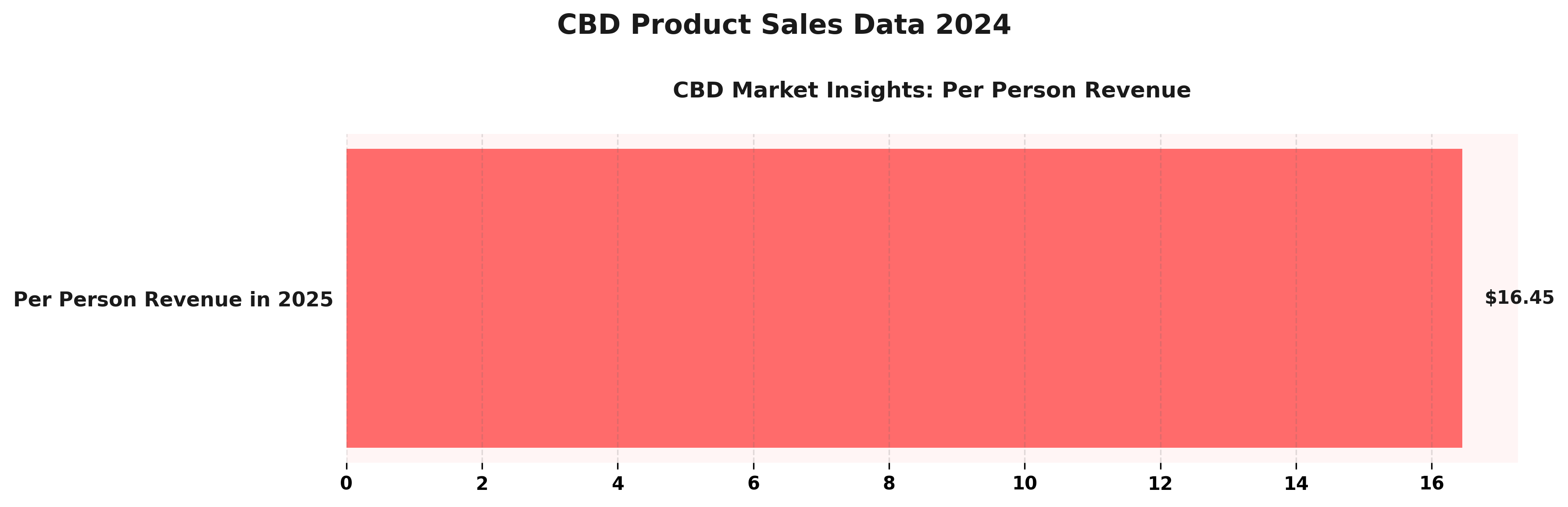
The CBD Product Sales Data 2024provides a snapshot of the anticipated market trends and consumer revenue in the CBD industry. A key metric highlighted is the Per Person Revenue expected in 2025, valued at $16.45 . This figure represents the average revenue generated by CBD products per individual, reflecting both the market penetration and consumer spending habits within this sector.
This per capita revenue projection suggests a steady demand for CBD products, which could be attributed to increasing public awareness and acceptance of CBD’s potential benefits. As more people include CBD in their health habits, businesses in the field can grow and try new things.
The $16.45 per person revenue indicates the potential for the CBD market to capture a larger share of consumer spending, particularly in health and wellness categories. This chart shows how willing consumers are to include CBD in their lifestyle. Businesses can use this information to create specific marketing plans and a variety of products.
The data also underscores the importance of continued research and education regarding CBD products to maintain consumer trust and encourage market growth. As regulatory landscapes evolve and consumer preferences shift, companies must stay agile and responsive to capitalize on this growing market.
Overall, the CBD Product Sales Data 2024 shows a positive outlook for the industry, with the per person revenue This measurement helps predict the market’s direction in the next few years.
Legality and Regulations
The legality of CBD products is a complex issue that varies significantly across states and countries, often dictated by specific regulations surrounding hemp-derived CBD. In the United States, the 2018 Farm Bill made hemp and its products legal, leading to a growing CBD industry. However, different state rules can still cause confusion for both buyers and companies. Knowing these legal rules is important for keeping the CBD market stable and making sure CBD brands and stores follow the law.
Knowing these laws means being aware of the rules for labeling, potency limits, and manufacturing, which vary by location. Some states have stricter product testing rules for safety, while others have fewer rules.
Differences in these factors can affect the quality and availability of CBD products sold. It’s important for buyers to check for reliable certifications. Businesses need to stay current with changing regulations to avoid legal issues and keep the trust of their customers.
Without following industry rules, there’s a higher chance of companies making false claims or selling unsafe products. This makes it harder for consumers to find trustworthy options and for retailers who want to act responsibly.
Consumer Demand and Trends
Interest in CBD products has increased as market trends change and more people learn about the possible advantages of CBD. Sales statistics reflect this trend, indicating a significant increase in the popularity of various CBD product types, including CBD gummies, CBD oil, and CBD-infused beverages.
Emerging trends in CBD innovations align closely with shifting consumer preferences, showcasing the desire for high-quality, sustainable, and lab-tested CBD products.
Recent reports highlight that the CBD market has experienced a compound annual growth rate of over 30% in recent years, further emphasizing consumer interest.
The increasing demand for certain products, such as complete oils and eco-friendly packaging, indicates that consumers desire effective products made ethically and transparently.
Social media and influencer endorsements greatly influence what people think, leading to more interest in specialized products like CBD skincare or gourmet edibles.
The interaction between consumer behavior and market products is creating a space for new ideas. This is important for brands that want to meet the varied needs of today’s CBD users.
Top-Selling CBD Products
Finding the best-selling CBD products is important to know what consumers like and how the CBD market works.
With a variety of options available, including CBD oil, gummies, capsules, and tinctures, it’s essential to consider factors like CBD ingredients, effectiveness, and consumer reviews when evaluating best-selling options.
By looking at product comparisons, we can find out which CBD products users prefer and the reasons behind their choices.
Most Popular Types
Many CBD products are available, but some types stand out as top-sellers because they work well and are easy to use, drawing in many buyers. CBD oil, which uses MCT oil to help your body absorb it better, can serve various purposes, while CBD gummies offer a tasty and simple way to consume CBD. CBD capsules and tinctures offer customized effects that address particular health issues, making them favored options among those interested in health and well-being.
Users interested in natural solutions have found these products helpful for dealing with different problems, like easing anxiety and managing pain.
CBD oil is particularly favored for its rapid absorption and potency, which can lead to quick results for those in need. Meanwhile, the chewable nature of CBD gummies makes them especially appealing to individuals who prefer a more enjoyable method of ingestion, particularly for on-the-go lifestyles. CBD capsules and CBD tinctures are common choices for people who want accurate CBD dosage and different ways to take CBD.
CBD capsules and CBD tinctures enable accurate dosing, allowing users to monitor their intake and find the right amount, improving their experience with CBD products. CBD creams and CBD vape products provide different ways to use CBD that suit what people like.
Best-Selling Brands
When selecting CBD products, the brand’s reputation heavily influences consumer trust and buying choices. Best-selling CBD brands and those offering cannabidiol options are often recognized for their commitment to quality, transparency, and lab-tested products, which assure customers of their effectiveness and safety. Low CBD prices and good customer reviews make these brands noticeable in the busy CBD market.
These brands typically invest in third-party lab testing, ensuring each product, including hemp-derived products, is scrutinized for purity and potency, which aligns with the growing consumer demand for trustworthy options. This process confirms CBD lab results and compliance with CBD regulations.
By offering clear access to test results, reputable brands fortify their standing in the industry, encouraging more informed decisions among buyers.
Customer feedback often praises the quality of these products and the great customer service, which strengthens brand loyalty.
With affordability being a key factor, many of these top brands strive to provide a range of pricing options, ensuring that high-quality CBD is accessible to a wider audience.
How to Choose the Right CBD Product
Choosing the right CBD product can be confusing because there are many options, such as full-spectrum CBD, broad-spectrum CBD, and isolate CBD. Understanding what to look for can make the process easier and more rewarding.
Key factors to consider include CBD quality, product types, and individual health goals, which can guide decisions on dosage and effectiveness. By considering individual preferences and user experiences, people can make informed decisions that match their wellness goals.
Considerations for Personal Needs and Preferences
When selecting a CBD product, it’s important to consider personal needs and preferences, as these factors significantly impact the effectiveness of CBD for specific health issues. Factors like desired CBD dosage, consumption methods—such as CBD oil, CBD gummies, CBD vapes, or even CBD-infused beverages—and potential side effects should all be taken into account for optimal results. Knowing how CBD helps with anxiety or long-term pain can help you make an informed decision regarding CBD for pain relief.
Evaluating personal needs begins with acknowledging which health concerns are at play. For instance, those experiencing anxiety may benefit more from quicker-acting methods such as vaping, whereas individuals dealing with chronic pain might prefer long-lasting effects from edibles.
It’s important to find the right amount to take, as people can react very differently. This can result in effects that are too weak or unwanted side effects.
Knowing about the possible side effects of CBD, like feeling tired or changes in appetite, helps you use it safely and in a way that fits your health goals.
Tips for Boosting CBD Product Sales
To succeed in the crowded CBD market, brands need to use strong methods to increase CBD sales and improve their presence with customers.
CBD marketing is important for building a brand’s identity and drawing in potential customers. CBD advertising methods are useful for clearly sharing the CBD benefits and values of the products, such as health and wellness or natural remedies.
Offering new ideas such as CBD subscription services and quick shipping can greatly affect buying choices and keep customers coming back. These services improve customer satisfaction and loyalty by making the most of new CBD trends as the industry grows.
Marketing Strategies and Techniques
Effective CBD marketing strategies are essential for brands looking to engage with their target audience and promote their products successfully. Knowing what CBD users like and current trends can help create ads that connect with potential customers. By matching marketing strategies with the everyday habits and beliefs of customers, brands can build loyalty and increase sales in a challenging market.
To achieve this, brands should consider a variety of techniques, such as:
Influencer partnerships
Educational content
Social media engagement
For example, working with influencers who genuinely support CBD can build trust and connect with more people. This influencer marketing strategy is part of the broader social media marketing approach. Creating useful blog posts and videos that show how products work demonstrates the brand’s knowledge and addresses common customer questions, particularly about alternative medicine and therapeutic effects.
Engaging with the community through local events or wellness workshops solidifies brand presence and builds trust. Ultimately, integrating these strategies while remaining genuine to consumer lifestyles will pave the way for effective market penetration and enduring customer relationships.
Frequently Asked Questions
What CBD product sells the most?
The most popular CBD product currently on the market is CBD oil. People like it because you can use it in different ways, it’s easy to take, and it comes in types like full-spectrum CBD and broad-spectrum CBD.
Why is CBD oil the most popular product?
CBD oil is the most popular product for several reasons. It can be taken orally, added to food or drinks, and can be used topically. It also comes in various strengths and flavors to cater to individual preferences.
Do other CBD products sell well?
Yes, other CBD products such as gummies, capsules, and creams also sell well. However, they do not have the same level of popularity as CBD oil.
Are there any unique CBD products that sell well?
Yes, there are unique CBD products such as CBD-infused beverages and CBD for pets that have gained popularity recently. However, they still do not sell as much as CBD oil. These niche markets highlight the diversity within the global CBD market.
Is the popularity of CBD oil expected to continue?
Yes, the popularity of CBD oil is expected to continue as more research and studies are conducted on its potential benefits and as more people become aware of its uses.
Are there any factors that determine which CBD product sells the most?
Yes, factors such as quality, brand reputation, marketing, and availability can all play a role in determining which CBD product sells the most. It ultimately depends on the consumer’s preferences and needs.
As the rules around cannabis legalization keep changing across the United States knowing the legal rules about cannabis in your state is crucial , especially for those involved in cannabis reform and voter initiatives.
This article explores the laws and regulations governing cannabis, highlighting current trends and the potential for future legalization , including the impact on the cannabis industry and cannabis entrepreneurship.
We discuss the risks associated with cannabis involvement , including legal ramifications and health concerns, such as cannabis safety and cannabis compliance.
Guidance is provided on how to engage with the cannabis community, even in non-legal states, through advocacy, education, cannabis networking, and exploration of hemp products .
Whether you’re new to this or have a lot of experience, you will find something here for you, including cannabis education programs and cannabis awareness campaigns. everyone .
Knowing the Legal Rules for Cannabis in Your State
Knowing the legal status of cannabis in your state is important for both new and experienced users. It includes state laws, changes in cannabis policies, cannabis legislation updates, and the current movements towards cannabis legalization, which have changed how society sees cannabis use.
Each state has its unique laws and policies that govern the use, sale, and possession of cannabis, making it essential to stay informed about these legal frameworks to avoid illegal cannabis activities and to understand the rights you have as a cannabis advocate or consumer, including compliance with cannabis permits and cannabis licenses.
Laws and Regulations
Learning the cannabis laws and state rules can be tough. Many areas have confusing regulations, impacting legal rights and compliance for both businesses and consumers, especially those involved in the cannabis trade and cannabis retail.
The laws about cannabis differ greatly between states, causing confusion and uncertainty for people in the industry, particularly those involved in cannabis manufacturing and cannabis distribution.
For instance, some states have implemented strict regulations surrounding cannabis cultivation and distribution, while others are more lenient, allowing for broader access and usage.
These discrepancies often allow individuals and businesses to exploit legal loopholes, leading to potential compliance issues that can result in hefty fines or loss of licenses, affecting cannabis businesses and cannabis owners.
Knowing the details of local laws and following compliance rules is essential for success in this changing market, particularly for those involved in cannabis quality control and cannabis testing.
Current Trends and Possibilities for Legalization
Current trends in cannabis legalization indicate a growing acceptance and push for reform across the nation, driven by ongoing legalization efforts, increased cannabis advocacy, and a surge in cannabis news coverage that informs the public about the benefits and potential of cannabis, including cannabis tourism and cannabis global markets.
This changing situation shows a major change in how people feel, as more individuals and communities see the health, financial, and social benefits of legal cannabis, contributing to the growth of cannabis markets and cannabis investment opportunities.
Groups such as the Marijuana Policy Project and NORML are important as they gather support and work to change laws, while also informing people about past wrongs linked to the banning of cannabis, promoting cannabis social impact and cannabis rights.
Campaigns in different states focus on recreational use and work to improve social fairness, trying to fix the negative effects on disadvantaged groups, including efforts to address cannabis social equity.
As views change, experts believe there will be more updates to cannabis laws, which might include easier access and new rules for safe use, benefiting cannabis consumers and the broader cannabis culture.
Cannabis Legalization and Reform Status 2024
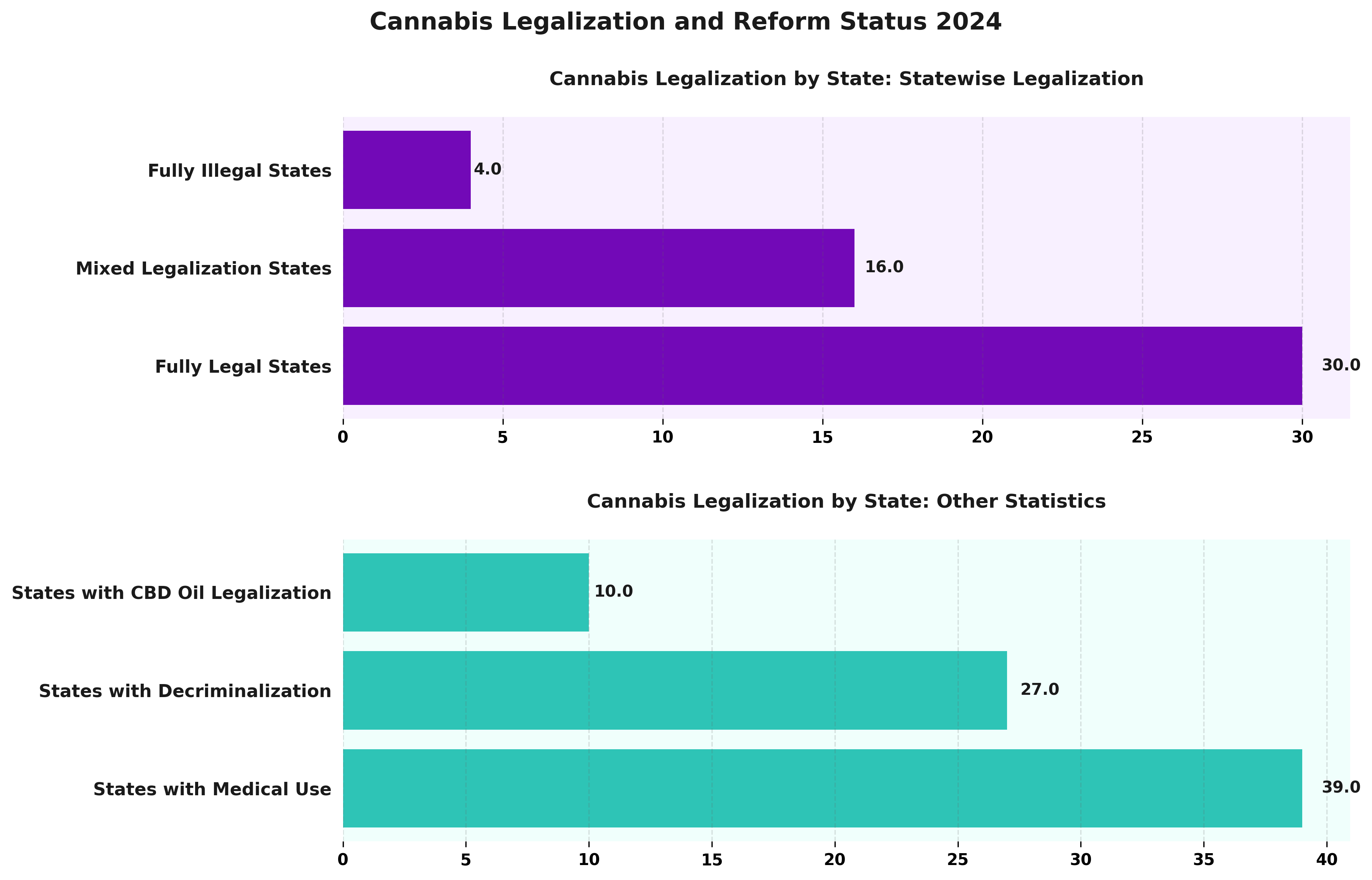
The Cannabis Legalization and Reform Status 2024 shows the present state of cannabis laws across the United States. This data shows changes in laws, indicating important changes in how society and lawmakers view cannabis, and the effects this has on cannabis rules and laws.
Cannabis Legalization by State reveals that 30 states have fully legalized cannabis , indicating a growing acceptance of its recreational and medicinal use. This shift suggests an increasing recognition of cannabis’s potential economic, medical, and social benefits, contributing to tax revenue, healthcare options, and social justice reforms, promoting cannabis business and cannabis entrepreneurship.
Mixed Legalization: 16 states have adopted mixed legalization, where cannabis might be legal for medical use but restricted for recreational purposes. These states often allow possession with a prescription, highlighting a cautious approach that balances public health concerns with the benefits of medical cannabis and legal alternatives.
Fully Illegal States: In contrast, 4 states remain fully illegal concerning cannabis use. These states adhere strictly to federal prohibition, typically due to political, cultural, or social factors influencing legislative processes, limiting access to cannabis support groups and cannabis organizations.
Further insights from Other Statistics show that 39 states permit medical cannabis use , reflecting widespread acknowledgment of its therapeutic potential. This acceptance underscores cannabis’s role in pain management, epilepsy treatment, and other medical conditions, promoting cannabis research and cannabis education.
Decriminalization: 27 states have decriminalized cannabis, reducing penalties for possession and use. This trend points to a shift towards treating cannabis use as a public health issue rather than a criminal one, aiming to reduce incarceration rates and associated societal costs, and supporting cannabis charities and cannabis community service.
CBD Oil Legalization: 10 states have specifically legalized CBD oil, which lacks psychoactive effects, indicating acceptance of cannabis derivatives for health benefits without recreational use implications, fostering the growth of legal measures for cannabis applications.
Overall, the Cannabis Legalization and Reform Status 2024 emphasizes a significant move toward broader legalization and reform. This change looks at different parts of cannabis use, concentrating on health, economic advantages, and fairness. It will affect upcoming cannabis laws in the U.S. and opens up chances for consulting and activism in the cannabis industry.
Potential Risks and Consequences of Involvement with Cannabis
While cannabis has been increasingly recognized for its potential health benefits and therapeutic uses, it’s essential to consider the potential legal and health risks associated with cannabis involvement, especially in areas where the cannabis trade remains illegal or unregulated, and the importance of cannabis safety and cannabis quality control.
Legal and Health Risks
Knowing the legal and health risks of cannabis is important for anyone dealing with cannabis. This knowledge helps people make informed decisions about using cannabis safely. It also includes being aware of cannabis laws and regulations.
As cannabis laws change in different places, users should know that having, using, or selling cannabis can lead to different legal outcomes depending on the location, and the potential need for cannabis licenses and cannabis permits.
Plus potential legal repercussions such as fines or criminal charges, studies have shown that regular cannabis use can lead to negative health outcomes, including impaired cognitive function and increased likelihood of mental health disorders, highlighting the importance of cannabis education and cannabis awareness.
According to a report from the National Institute on Drug Abuse, about 9% of users develop a dependency, and this figure rises to 17% for those who begin using in their teens, emphasizing the need for cannabis support groups and cannabis education programs.
Therefore, educating oneself about responsible cannabis use can help mitigate these risks while promoting a safer, informed community, through initiatives such as cannabis workshops and cannabis advocacy.
Ways to Get Involved with Cannabis in Non-Legal States
Even in places where cannabis isn’t legal, there are many ways to join the cannabis community through advocacy, education, and grassroots movements that support cannabis culture and push for change, including cannabis activism and cannabis grassroots movements.
Advocacy and Education
Advocacy and education are important in moving the cannabis movement forward. They help people learn about the benefits of cannabis and support positive change, through initiatives such as cannabis documentaries and cannabis publications.
Using social media sites, community workshops, and involving local leaders can help improve knowledge about cannabis-related topics, and promote cannabis forums and cannabis blogs.
By sharing success stories and research-backed information, advocates can dispel misconceptions and demonstrate the therapeutic potential of cannabis, promoting cannabis influencers and cannabis social clubs.
Grassroots campaigns can also help to mobilize communities, encouraging conversations around personal experiences with cannabis and highlighting its legislative importance, through cannabis networking events and cannabis symposia.
Working together with healthcare workers can offer reliable information about health advantages. Well-planned events can offer secure environments for discussions, helping to create a community that is more knowledgeable and supportive, through cannabis employment and cannabis careers.
Supporting Legalization Efforts
Supporting the effort to legalize cannabis is important for progress. It unites advocacy groups and promotes fairness in the cannabis industry, supporting cannabis rights and cannabis consumer protection.
People can make a big difference by getting involved with local and national advocacy groups that share their values, and participate in cannabis voter initiatives and cannabis policy discussions.
Engaging in civic activities, such as attending town hall meetings or participating in community forums, elevates the conversation around cannabis policies and allows for meaningful dialogue concerning necessary changes, fostering cannabis awareness and cannabis public engagement.
Making sure social fairness is part of these policies is important. It guarantees that communities who were unfairly affected by previous cannabis laws are given attention and importance in changes to the laws, promoting cannabis social equity and cannabis social impact initiatives.
By spreading awareness, sharing personal stories, and staying informed on the latest developments, individuals help create a more inclusive and fair cannabis industry, supporting cannabis consulting and cannabis activism.
Exploring Hemp Products
Exploring hemp products is a fantastic way to engage with the cannabis community while adhering to legal standards, as hemp offers a plethora of cannabis products and accessories that promote wellness and sustainability, supporting cannabis business and cannabis lifestyle.
Hemp can be used in many ways, including making different types of fabrics, creating plastics that break down naturally, producing health supplements, and making healing oils. Enthusiasts and advocates alike find a shared appreciation for hemp’s eco-friendly properties, highlighting how its cultivation requires fewer resources compared to traditional crops, thus contributing to environmental preservation. Hemp products also play a key role in the cannabis industry, offering legal alternatives and promoting cannabis education.
Hemp is important and beneficial to the cannabis community and represents a move toward healthy and responsible living. This interaction creates a sense of community, motivating people to live in harmony with nature and focus on their health. The growth of hemp supports cannabis advocacy and helps push for cannabis legalization and cannabis policy reform.
Participating in Online Communities and Cannabis Networking
Joining online groups and cannabis forums offers a great place for cannabis fans to exchange information, teach others, and create a community of teamwork and help. These platforms are essential for cannabis networking and staying informed about cannabis trends and cannabis legislation updates.
By engaging actively on social media platforms, individuals can connect with like-minded people who share their passion for cannabis. Forums and discussion groups are helpful places where people can ask questions, share tips, and talk about recent news in the industry, including cannabis cultivation, cannabis research, and cannabis reform.
Connecting in these areas increases learning and helps cannabis education by using many different experiences and information. Sharing personal stories and offering guidance helps build a sense of belonging and can clear up misunderstandings. It’s important for active members to provide guidance while promoting responsible behavior and wise decisions, while also advocating for cannabis rights and cannabis social equity.
Frequently Asked Questions
Can I still get involved in the cannabis industry if it isn’t legal in my state?
Yes, there are still ways to get involved in the cannabis industry even if it isn’t legal in your state. One option is to participate in the industry in a legal state, such as by investing in a cannabis company, exploring cannabis tourism, or working for a company that operates in a legal state. Engaging in cannabis activism and supporting cannabis charities can also help support the industry from afar.
Are there any risks involved in getting involved in cannabis in a state where it isn’t legal?
Yes, there are potential cannabis risks involved in participating in the cannabis industry in a state where it isn’t legal. These risks may include legal consequences, potential backlash from the community, and challenges with state regulations and compliance.
What are some ways I can support the cannabis industry in a state where it isn’t legal?
You can support the cannabis industry in a state where it isn’t legal by advocating for legalization, donating to organizations that work towards legalization, and educating yourself and others about the benefits of cannabis.
Can I still use cannabis if it isn’t legal in my state?
No, it is illegal to use cannabis in a state where it isn’t legal. However, you may be able to use CBD products, such as CBD oil, which contain no or very low levels of THC, the psychoactive compound in cannabis. Exploring medical cannabis options in states where it is legal can also be a viable alternative.
Are there any online communities or forums for people interested in the cannabis industry in illegal states?
Yes, there are online communities and forums where people interested in the cannabis industry in illegal states can connect, share information and resources, and support each other. These communities can be found on social media platforms and specialized websites and often focus on cannabis culture, cannabis lifestyle, and cannabis advocacy.
What steps can I take to help legalize cannabis and support cannabis activism in my state?
You can help legalize cannabis in your state by educating yourself about the issue, talking to your local lawmakers, joining or supporting organizations that advocate for legalization, and participating in rallies or events to raise awareness about the benefits of cannabis. Engaging in voter initiatives and supporting advocacy groups are also effective ways to push for cannabis reform and decriminalization.
Marijuana use in the United States has evolved dramatically over the years, reflecting shifting societal attitudes, legal landscapes, and health perceptions. With marijuana legalization taking center stage, the transformation in marijuana trends and cannabis culture is evident as we examine the United States marijuana statistics.
This article explores the rich history and current status of cannabis consumption, highlighting changing usage rates and the diverse marijuana demographics, including adult use cannabis and youth marijuana consumption.
It examines the impact of legalization on public attitudes and behaviors and discusses the health effects , both short-term and long-term, in relation to cannabis effects and marijuana and mental health.
It also examines successful educational programs and treatment choices designed for preventing misuse , focusing on marijuana addiction prevention and cannabis education.
Come with us as we look into these key parts of marijuana use in America today, including detailed information on marijuana user demographics and how people consume marijuana.
Overview of Marijuana Use in the United States
Marijuana use in the United States has evolved significantly over the decades, transitioning from a recreational pastime viewed negatively to becoming an accepted component of medical treatment and social enjoyment.
Today, both medical marijuana and recreational marijuana are increasingly popular, influenced by shifting cannabis trends and state legalization efforts across the country. Many states have implemented marijuana policies that reflect changing public opinion on marijuana and marijuana policy changes.
As a result, marijuana use is becoming more accepted among different demographic groups, changing the pattern of drug usage in America and influencing marijuana usage patterns.
History and Current Status
The path to marijuana legalization in the United States has been rocky. It features a complicated history involving times of making it illegal and changes in marijuana laws that show how public views on marijuana have changed. From the early days when marijuana was widely banned to more recent times of cannabis regulations that allow for both recreational and medical use, the current status of marijuana presents a fascinating case study in public health and social attitudes towards marijuana.
Key historical events significantly influenced these changes, notably the War on Drugs initiated in the 1970s, which led to intensified law enforcement and stigma surrounding cannabis use.
The past decade has seen a resurgence of cannabis research and advocacy, with 68% of Americans now supporting legalization, according to a 2021 Gallup poll, reflecting a shift in public opinion on marijuana.
This growing acceptance is a response to increasing awareness of marijuana’s medical benefits and economic potential, further fueling conversations on regulation and reform, including discussions about marijuana taxation and marijuana industry regulations.
As various states continue to legalize, the national dialogue advances, examining the implications of legalized marijuana for public health, law enforcement practices, and social equity, highlighting the need for marijuana social equity initiatives.
Trends in Marijuana Use
Changes in marijuana use show significant changes, as both young people and adults continue to change their use, mirroring wider societal changes and a constantly expanding cannabis market, with noticeable marijuana consumer trends.
Data from various marijuana statistics reveal increasing acceptance and consumption patterns, with significant implications for marijuana demographics across different age groups, particularly among younger populations, driving changes in youth marijuana consumption.
Changes in how people use marijuana are altering drug use patterns in the United States.
Changes in Usage Rates
Changes in marijuana usage rates have been dramatic over recent years, largely driven by the increasing legalization of cannabis and expanding availability of marijuana products. As marijuana statistics show, the rise in market growth has led to diverse cannabis consumption patterns, impacting both public health and the perception of marijuana use within communities, including increased marijuana smoking and vaping cannabis.
According to recent surveys, adult usage has surged from about 10% to nearly 20% within just a few years, reflecting a notable shift in societal attitudes.
This change has started discussions about the good points, like possible relief for long-term pain, while also bringing up worries about more dependency and weakened mental abilities in younger users, highlighting marijuana addiction rates and marijuana and youth-related concerns.
Studies indicate that while some states report a decline in opioid prescriptions following legalization, there are ongoing debates about the balance between therapeutic benefits and the new challenges posed by higher consumption rates.
Knowing these factors is important for policymakers and health officials as they deal with changes in marijuana laws and public health plans, particularly with respect to marijuana and criminal justice reform.
Demographics of Users
Knowing who uses marijuana is important for grasping the wider effects of its use. Research shows that marijuana user demographics vary widely, revealing significant differences in usage patterns among different age groups, socioeconomic statuses, and geographic locations, which can be linked to various marijuana health effects and concerns about marijuana addiction, including the potential for marijuana consumption demographics to shape public health strategies.
For instance, a survey conducted in 2022 indicated that approximately 35% of adults aged 18-29 reported using marijuana, compared to only 9% of those over 65.
Gender differences are evident, with males more likely to use cannabis than females, accounting for nearly 60% of users, which is an important aspect of marijuana consumption patterns.
Regional disparities also play a significant role; states that have legalized marijuana tend to show higher usage rates compared to those where it remains illegal.
Information about these demographic groups is important because it helps pinpoint those who might be at risk. This information helps public health plans address possible marijuana addiction and its related health problems, like thinking difficulties and mental health issues, which are important for addressing marijuana and mental wellness.
Legalization of Marijuana
The legalization of marijuana has changed the use and regulation of cannabis in the United States, reflecting a significant shift in marijuana laws to match changing social norms, leading to a wider acceptance of cannabis joint ventures and cannabis industry growth.
With many states passing laws to permit both recreational and medical marijuana use, the effects of legalization on public views, police practices, and the marijuana business have been significant, leading to a complicated system of marijuana regulation and taxation.
Impact on Usage and Attitudes
The impact of marijuana legalization on usage and public attitudes has been notable, with increasing acceptance and normalization of cannabis as both a recreational and medical product. As attitudes shift, the cannabis market growth has accelerated, creating new opportunities for marijuana tourism and altering the social fabric regarding marijuana effects in communities, including changes in marijuana usage benefits.
This shift in public opinion affects laws and increases consumer trust in the safety and advantages of cannabis, supporting its acceptance in everyday life.
As the demand rises, marijuana tourism has blossomed in states where legalization is in effect, fueling local economies, and driving marijuana investment opportunities.
Tourists are more and more interested in cannabis-related activities, which is helping grow a sector worth billions of dollars. This includes shops, health retreats, and learning tours. This shows how changing views on marijuana can influence the economy.
Health Effects of Marijuana Use
Looking into the health effects of using marijuana shows that there are both benefits and risks. This is especially true for mental health concerns and the chemicals like THC and CBD in cannabis products, which are key to learning about marijuana and health laws.
As more people become curious about cannabis research, learning about its effects is becoming more important for both consumers and healthcare workers.
Short-term and Long-term Effects
The short-term and long-term effects of marijuana use encompass a range of physiological and psychological outcomes that can significantly impact users’ lives. Some users may find cannabis helpful for therapy, but new research points out potential risks of using it often. It’s important to have a clear view of marijuana’s health effects.
In the short term, individuals might notice heightened sensory perception, altered judgment, and mood fluctuations, which can affect their daily activities and interactions.
Conversely, long-term use raises concerns about dependence, cognitive impairment, and potential respiratory issues, particularly among younger users whose brains are still developing.
Research has identified both positive and negative outcomes, indicating that while marijuana may alleviate chronic pain or anxiety in some demographics, it can also lead to increased anxiety or exacerbate underlying mental health conditions for others.
Therefore, it’s important to use safely and be informed about how it affects different age groups and health conditions, promoting marijuana safety among consumers.
Preventing and Addressing Marijuana Use
Preventing and dealing with marijuana use involves a thorough method that covers effective marijuana education and recognizing the possibility of marijuana addiction, emphasizing the need for cannabis public health studies.
As society deals with cannabis use, creating educational programs and easy-to-access treatment options is important for reducing negative effects and helping people make informed choices about marijuana.
Educational Programs and Treatment Options
Programs that teach about marijuana are important for explaining the dangers linked to using cannabis and for offering helpful treatments for marijuana addiction. Through collaborative efforts, the cannabis community can develop preventive measures that prioritize health and safety, addressing marijuana user preferences and cannabis education.
Initiatives like the Cannabis Control Commission’s educational outreach have been instrumental in disseminating information about the potential harms of frequent use, particularly among young adults, aligning with marijuana public health campaigns.
Successful programs often include workshops and informational sessions that cover both the physical effects of marijuana and the mental parts of addiction, incorporating cannabis events and marijuana usage education.
Treatment options for people dealing with marijuana dependency, which is a growing concern as marijuana addiction rates increase, include cognitive behavioral therapy, support groups, and sometimes specific medications to help with withdrawal symptoms. Public health campaigns focused on marijuana addiction prevention are also becoming more prevalent.
Help from the cannabis community is very important for recovery, allowing those affected to talk about their experiences and find encouragement. This help is very important in fighting the negative views often linked to marijuana addiction.
It’s important for public health services, including those focused on marijuana and mental health, to be easy to reach and without judgment, creating a space where people feel comfortable asking for help. Effective cannabis education can also play a role in reducing marijuana stigma.
Frequently Asked Questions
What are the trends in marijuana use and cannabis market trends in the United States?
According to recent studies, the trend of marijuana use in the United States has been on the rise in recent years, with marijuana consumption demographics showing increases in both recreational marijuana use and medical marijuana trends.
How many Americans use marijuana according to marijuana use surveys?
It is estimated that over 40 million Americans have used marijuana at least once in their lifetime, reflecting significant cannabis usage statistics.
Has marijuana use been legalized in the United States, and what are the implications of marijuana legalization?
Marijuana is currently legal for medical and recreational use in 11 states, and more states are thinking about making it legal soon. This shift in state laws on marijuana has significant implications for marijuana policy changes and public opinion on marijuana.
What age group has the highest rate of marijuana use and youth marijuana consumption in the United States?
Studies have shown that young adults aged 18-25 have the highest rate of marijuana use in the United States, highlighting concerns around youth marijuana consumption and adult use cannabis trends.
Are there any demographic differences in marijuana use and marijuana user demographics?
Research has found that there are differences in marijuana use based on race, income, and education levels in the United States, with marijuana demographics varying across these factors.
What are the potential health consequences of marijuana use and cannabis effects?
While marijuana use has been found to have some marijuana health benefits, prolonged use can lead to respiratory and mental health issues, such as impaired cognitive function, demonstrating the complex cannabis effects on health.
As states increasingly push for marijuana legalization , the clash between state and federal laws has become a hot topic of discussion in the broader context of cannabis legalization and marijuana policy .
While many states have embraced cannabis for medicinal and recreational use , the federal government maintains a complicated stance on the substance, largely influenced by its federal prohibition .
This overview covers state marijuana initiatives , the current federal landscape , actions taken by the government such as drug enforcement by the Justice Department , and the ongoing legal conflicts that arise.
We will look into possible upcoming changes in federal policy and what they could mean for states, particularly focusing on marijuana decriminalization and marijuana reform . Join us as we work through this complicated and always changing issue.
Overview of State Marijuana Initiatives
State marijuana laws are changing quickly in the U.S., showing a wide range of cannabis legalization efforts that differ greatly across states.
These initiatives encompass various aspects, including legalization trends, regulatory frameworks, and public health campaigns aimed at educating citizens about the effects of marijuana use.
As more states push forward with their own laws, they contribute to an ongoing dialogue about state rights versus federal law while attracting attention from cannabis advocates and opponents alike.
Explanation of State Marijuana Legalization and Federal Response
State marijuana legalization means individual states pass laws allowing the use, sale, and growing of cannabis, even though it goes against federal law under the Controlled Substances Act. These state legislative initiatives are often in direct conflict with federal guidelines . Each state’s approach varies, leading to a patchwork of marijuana enforcement and regulation that reflects local values and public opinion.
This divergence can create confusion for users and businesses, as what is legal in one state may still be considered an offense in another.
Enforcement differs greatly; some states have set up strong rules for licensing, quality checks, and taxes, while others may take a more hands-off approach.
Despite state-level legalization, federal law continues to classify marijuana as a Schedule I substance, complicating matters for growers, distributors, and users who might face federal penalties. This federal stance often involves marijuana enforcement by entities like the DEA .
Learning about these challenges is important for people dealing with the changes in cannabis laws and regulations.
Federal Laws and Marijuana: The Impact on State Initiatives
Federal laws surrounding marijuana have been a contentious issue, primarily governed by the Controlled Substances Act, which classifies cannabis as a Schedule I substance, effectively criminalizing its use and distribution despite the growing trend of cannabis legalization at the state level.
This dissonance between federal law and state marijuana initiatives has sparked intense debates about drug policy reform and the need for more inclusive federal guidelines. This underscores the critical role of intergovernmental relations .
Current Federal Stance on Marijuana
The current federal stance on marijuana remains largely restrictive, characterized by a reluctance to amend the Controlled Substances Act despite a growing body of evidence supporting the health benefits of cannabis and its economic potential. Federal priorities often clash with state marijuana initiatives, leading to legal challenges and ongoing research efforts aimed at reassessing marijuana’s classification. These efforts highlight the importance of federal-state relations in shaping cannabis regulation .
Recent decisions by federal courts have created more confusion as judges have sometimes backed states that permit marijuana use, showing the complicated nature of the issue. state sovereignty and federal preemption . This strengthens the belief that local areas should have the freedom to create their own rules about marijuana.
These events show the conflict between federal law and state rules while also emphasizing the need for strong marijuana research. As scientific research keeps revealing the health benefits of cannabis, the chance of changing federal priorities might increase.
Learning from this research could lead to improved federal policies that match public views and the changing needs of states across the country.
Federal Response to State Marijuana Initiatives
The federal approach to state marijuana initiatives has been varied, sometimes focusing on enforcement and other times allowing more leniency, giving states the chance to create their own rules.
This creates an uncertain environment for the burgeoning cannabis industry , where federal guidelines sometimes clash with state laws, leading to confusion and potential legal challenges for marijuana businesses. This is further complicated by issues of marijuana taxation and marijuana enforcement .
Actions Taken by Federal Government
Actions taken by the federal government regarding marijuana enforcement have varied over the years, with some administrations opting for stricter enforcement against state initiatives while others have encouraged a hands-off approach to allow cannabis industry growth. These actions show changing federal priorities and public views on marijuana use, often leaving states to handle the challenges of following and managing the rules.
For example, the Obama administration adopted the Cole Memorandum , which essentially allowed states to implement their own marijuana laws without federal interference as long as they adhered to specific priorities, such as preventing sales to minors and avoiding distribution across state lines. This approach to federal oversight played a significant role in shaping cannabis advocacy .
This change helped the growing cannabis industry develop in states like Colorado and Washington. It also led local authorities to adjust their enforcement methods to prioritize following state laws instead of opposing the cannabis market.
On the other hand, the Trump administration’s decision to cancel this guidance led to confusion. Federal agencies were ready to step up enforcement, impacting business activities and investments in the industry.
Challenges and Conflicts Between State and Federal Laws
The differences and disagreements between state and federal marijuana laws create a confusing legal situation that causes serious problems for people, businesses, and policymakers.
These conflicts often manifest in legal challenges, where state rights are pitted against federal laws, igniting heated marijuana legalization debates over the principles of federalism and the appropriate role of government in personal choice.
Legal Issues and Implications
Legal issues surrounding marijuana often stem from the discrepancies between state regulation and federal laws, resulting in a range of implications for both consumers and businesses. Federal court rulings can complicate these legal matters, as they can reinforce or challenge state laws, further fueling the arguments of marijuana opponents who advocate for stricter enforcement.
As these legal frameworks evolve, the conflict often creates an uncertain operating environment for marijuana dispensaries and cultivators, leading to a patchwork of regulations that can vary significantly from one jurisdiction to another. This situation impacts cannabis cultivationand the broader cannabis community .
For instance, states like California and Colorado have implemented more permissive laws, while others maintain stringent prohibitions. These different methods impact business actions and also influence how police departments distribute their resources.
Landmark cases such as Gonzales v. Raich and recent developments in the courts have underscored the tensions, highlighting the ongoing debate around the legitimacy of state rights versus federal authority in shaping marijuana policy . This exemplifies the challenges of regulatory framework development.
Possible Federal Response Changes
Potential changes in how the federal government handles marijuana could greatly alter the laws about cannabis legalization in the United States. This is influenced by shifting public views and increasing demand from cannabis advocacy groups pushing for cannabis law changes, as well as social justice considerations.
As more states approve legal changes, the federal government might have to rethink its position, which could result in a thorough review of policies and a need for clearer federal rules.
Potential Shifts in Federal Policy: Implications for State Initiatives
Potential shifts in federal policy regarding marijuana could emerge as a response to the ongoing legalization debates and calls for drug policy reform aimed at addressing social justice issues related to marijuana criminalization. Such shifts might focus on reconciling federal priorities with the legal realities experienced by states and their constituents.
The ongoing changes are about more than just making a substance legal. They also require looking closely at the past wrongs suffered by underrepresented groups affected by harsh drug laws, highlighting the connection between criminal justice reform and marijuana decriminalization .
Advocates argue that reforming marijuana legislation aligns with the broader social justice movements that demand equitable treatment and recognition of those wrongfully prosecuted. This emphasizes the critical role of civil rights in shaping future drug policy reform .
As public pressure increases to change outdated policies, federal authorities might feel the need to focus on reforms that decriminalize marijuana and tackle the socioeconomic differences worsened by years of strict measures. This process will likely involve collaboration between federal agency representatives and state governments.
Frequently Asked Questions on Federal-State Relations and Marijuana Policy
What is the Federal Response to State Marijuana Initiatives and Legalization Efforts?
The Federal response to state marijuana initiatives varies depending on the current administration and federal laws. In general, the Federal government has taken a stance against the legalization of marijuana and has not recognized state initiatives legalizing the drug.
What is the Current Legal Status of Marijuana at the Federal Level and Its Implications?
At the Federal level, marijuana is still considered a Schedule I controlled substance, meaning it is illegal and has no recognized medical use. This classification is in direct conflict with state initiatives legalizing the drug for medical or recreational use, creating significant barriers for medicinal marijuana programs and recreational marijuana markets.
How Have Previous Administrations Handled State Marijuana Initiatives and Federal Enforcement?
Past administrations have taken different approaches to state marijuana initiatives. Under the Obama administration, the Department of Justice issued the “Cole Memo,” which directed federal prosecutors to not interfere with states that have legalized marijuana as long as certain guidelines were followed. The Trump administration has rescinded this memorandum and has taken a stricter stance on enforcing federal marijuana laws, impacting the cannabis legalization movement.
What is the stance of the current administration on state marijuana initiatives?
The current administration, led by President Joe Biden, has stated that they support decriminalizing marijuana at the federal level and allowing states to make their own decisions on legalization. However, they have not yet taken any action to change the Federal classification of marijuana which affects medicinal marijuana, recreational marijuana, and cannabis cultivation.
Can the Federal government overrule state marijuana initiatives?
Technically, yes. The Supremacy Clause of the U.S. Constitution gives the Federal government the power to overrule state laws that are in conflict with federal laws. However, this is a complex legal issue and has not yet been tested in regards to state marijuana initiatives, raising concerns about federal preemption and federalism.
What is the potential impact of the Federal response on state marijuana initiatives?
The Federal response to state marijuana initiatives can have a significant impact on the implementation and success of these initiatives. Federal enforcement actions, driven by federal agencies like the DEA, can create uncertainty and hinder the growth of the cannabis industry. Meanwhile, a more lenient stance can lead to the expansion of legal marijuana markets, improving state compliance and encouraging marijuana reform.
Hemp farming in the Bay Area offers opportunities for agriculture, sustainability, and business growth. The region’s mild climate and access to resources make it an excellent place for cultivation. However, success depends on understanding local regulations, soil conditions, and best farming practices.
1. Understanding Hemp Regulations in California
Hemp is legal in California, but growers must comply with state and county regulations. The California Department of Food and Agriculture (CDFA) oversees hemp production. Key requirements include:
Registration: Farmers must register with their county agricultural commissioner.
THC Compliance: Hemp must contain no more than 0.3% THC. Crops exceeding this limit must be destroyed.
Testing and Reporting: State-approved labs must test hemp before harvest.
Local rules may vary. Some Bay Area counties have additional restrictions, so always check with local authorities before planting.
2. Choosing the Right Location
Hemp thrives in well-drained soil with full sunlight. The Bay Area has diverse microclimates, so consider:
Coastal Areas: Cooler temperatures and higher humidity can increase mold risk. Proper airflow and resistant strains help prevent issues.
Inland Valleys: Warmer temperatures and dry conditions are ideal for hemp, but irrigation is necessary during dry months.
Urban Farming: Small-scale growers can use greenhouse or indoor systems to control conditions and maximize yields.
3. Soil Preparation and Planting
Healthy soil is key to strong hemp plants. Follow these steps:
Test Soil: Check for pH (ideal range: 6.0–7.5) and nutrient levels.
Organic Matter: Add compost or cover crops to improve soil health.
Spacing: Hemp plants need space for airflow and root development. Spacing depends on the variety—fiber hemp is planted densely, while CBD-rich strains need more room.
Hemp can be started from seeds or clones. Seeds take longer but may produce stronger plants, while clones ensure consistency in CBD or fiber production.
4. Watering and Nutrient Needs
Hemp is resilient but requires balanced nutrients and proper watering:
Irrigation: Drip irrigation conserves water and reduces fungal risks. Avoid overwatering.
Nutrients: Hemp benefits from nitrogen, phosphorus, and potassium. Organic fertilizers like fish emulsion or compost tea support healthy growth.
Pest and Disease Control: Use natural solutions such as neem oil, beneficial insects, and crop rotation to manage pests.
5. Harvesting and Processing
The harvest time depends on the type of hemp:
CBD Hemp: Harvest when flowers are dense and resinous, typically after 90–120 days.
Fiber Hemp: Cut when stalks reach maturity, around 70–100 days.
Seed Hemp: Harvest when seeds harden and develop full color.
After harvesting, dry hemp in a ventilated area to prevent mold. CBD-rich flowers require careful curing to maintain potency, while fiber hemp undergoes retting to separate fibers.
6. Market Opportunities and Challenges
Hemp is in demand for CBD products, textiles, and eco-friendly materials. However, competition and fluctuating regulations can impact profits. Success requires:
Quality Control: Lab testing ensures product compliance and consumer trust.
Direct Sales: Farmers can sell directly to processors or consumers to maximize profits.
Diversification: Exploring multiple hemp uses (CBD, fiber, grain) can stabilize income.
Final Thoughts
Growing hemp in the Bay Area is rewarding with the right knowledge and preparation. Farmers should stay informed about laws, choose suitable locations, and use sustainable practices. With proper care, hemp can be a profitable and environmentally friendly crop in California.
For more information, check state regulations and consult local agricultural experts before starting your hemp farm. 🌱