

As states increasingly push for marijuana legalization , the clash between state and federal laws has become a hot topic of discussion in the broader context of cannabis legalization and marijuana policy .

While many states have embraced cannabis for medicinal and recreational use , the federal government maintains a complicated stance on the substance, largely influenced by its federal prohibition .
This overview covers state marijuana initiatives , the current federal landscape , actions taken by the government such as drug enforcement by the Justice Department , and the ongoing legal conflicts that arise.
We will look into possible upcoming changes in federal policy and what they could mean for states, particularly focusing on marijuana decriminalization and marijuana reform . Join us as we work through this complicated and always changing issue.
Overview of State Marijuana Initiatives
State marijuana laws are changing quickly in the U.S., showing a wide range of cannabis legalization efforts that differ greatly across states.
These initiatives encompass various aspects, including legalization trends, regulatory frameworks, and public health campaigns aimed at educating citizens about the effects of marijuana use.
As more states push forward with their own laws, they contribute to an ongoing dialogue about state rights versus federal law while attracting attention from cannabis advocates and opponents alike.
Explanation of State Marijuana Legalization and Federal Response
State marijuana legalization means individual states pass laws allowing the use, sale, and growing of cannabis, even though it goes against federal law under the Controlled Substances Act. These state legislative initiatives are often in direct conflict with federal guidelines . Each state’s approach varies, leading to a patchwork of marijuana enforcement and regulation that reflects local values and public opinion.
This divergence can create confusion for users and businesses, as what is legal in one state may still be considered an offense in another.
Enforcement differs greatly; some states have set up strong rules for licensing, quality checks, and taxes, while others may take a more hands-off approach.
Despite state-level legalization, federal law continues to classify marijuana as a Schedule I substance, complicating matters for growers, distributors, and users who might face federal penalties. This federal stance often involves marijuana enforcement by entities like the DEA .
Learning about these challenges is important for people dealing with the changes in cannabis laws and regulations.
Federal Laws and Marijuana: The Impact on State Initiatives
Federal laws surrounding marijuana have been a contentious issue, primarily governed by the Controlled Substances Act, which classifies cannabis as a Schedule I substance, effectively criminalizing its use and distribution despite the growing trend of cannabis legalization at the state level.
This dissonance between federal law and state marijuana initiatives has sparked intense debates about drug policy reform and the need for more inclusive federal guidelines. This underscores the critical role of intergovernmental relations .
Current Federal Stance on Marijuana
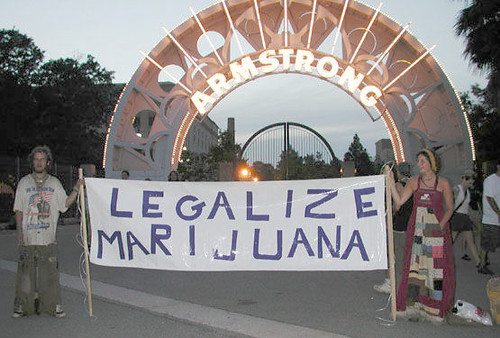
The current federal stance on marijuana remains largely restrictive, characterized by a reluctance to amend the Controlled Substances Act despite a growing body of evidence supporting the health benefits of cannabis and its economic potential. Federal priorities often clash with state marijuana initiatives, leading to legal challenges and ongoing research efforts aimed at reassessing marijuana’s classification. These efforts highlight the importance of federal-state relations in shaping cannabis regulation .
Recent decisions by federal courts have created more confusion as judges have sometimes backed states that permit marijuana use, showing the complicated nature of the issue. state sovereignty and federal preemption . This strengthens the belief that local areas should have the freedom to create their own rules about marijuana.
These events show the conflict between federal law and state rules while also emphasizing the need for strong marijuana research. As scientific research keeps revealing the health benefits of cannabis, the chance of changing federal priorities might increase.
Learning from this research could lead to improved federal policies that match public views and the changing needs of states across the country.
Federal Response to State Marijuana Initiatives
The federal approach to state marijuana initiatives has been varied, sometimes focusing on enforcement and other times allowing more leniency, giving states the chance to create their own rules.
This creates an uncertain environment for the burgeoning cannabis industry , where federal guidelines sometimes clash with state laws, leading to confusion and potential legal challenges for marijuana businesses. This is further complicated by issues of marijuana taxation and marijuana enforcement .
Actions Taken by Federal Government
Actions taken by the federal government regarding marijuana enforcement have varied over the years, with some administrations opting for stricter enforcement against state initiatives while others have encouraged a hands-off approach to allow cannabis industry growth. These actions show changing federal priorities and public views on marijuana use, often leaving states to handle the challenges of following and managing the rules.
For example, the Obama administration adopted the Cole Memorandum , which essentially allowed states to implement their own marijuana laws without federal interference as long as they adhered to specific priorities, such as preventing sales to minors and avoiding distribution across state lines. This approach to federal oversight played a significant role in shaping cannabis advocacy .
This change helped the growing cannabis industry develop in states like Colorado and Washington. It also led local authorities to adjust their enforcement methods to prioritize following state laws instead of opposing the cannabis market.
On the other hand, the Trump administration’s decision to cancel this guidance led to confusion. Federal agencies were ready to step up enforcement, impacting business activities and investments in the industry.
Challenges and Conflicts Between State and Federal Laws
The differences and disagreements between state and federal marijuana laws create a confusing legal situation that causes serious problems for people, businesses, and policymakers.
These conflicts often manifest in legal challenges, where state rights are pitted against federal laws, igniting heated marijuana legalization debates over the principles of federalism and the appropriate role of government in personal choice.
Legal Issues and Implications
Legal issues surrounding marijuana often stem from the discrepancies between state regulation and federal laws, resulting in a range of implications for both consumers and businesses. Federal court rulings can complicate these legal matters, as they can reinforce or challenge state laws, further fueling the arguments of marijuana opponents who advocate for stricter enforcement.
As these legal frameworks evolve, the conflict often creates an uncertain operating environment for marijuana dispensaries and cultivators, leading to a patchwork of regulations that can vary significantly from one jurisdiction to another. This situation impacts cannabis cultivation and the broader cannabis community .
For instance, states like California and Colorado have implemented more permissive laws, while others maintain stringent prohibitions. These different methods impact business actions and also influence how police departments distribute their resources.
Landmark cases such as Gonzales v. Raich and recent developments in the courts have underscored the tensions, highlighting the ongoing debate around the legitimacy of state rights versus federal authority in shaping marijuana policy . This exemplifies the challenges of regulatory framework development.
Possible Federal Response Changes
Potential changes in how the federal government handles marijuana could greatly alter the laws about cannabis legalization in the United States. This is influenced by shifting public views and increasing demand from cannabis advocacy groups pushing for cannabis law changes, as well as social justice considerations.
As more states approve legal changes, the federal government might have to rethink its position, which could result in a thorough review of policies and a need for clearer federal rules.
Potential Shifts in Federal Policy: Implications for State Initiatives
Potential shifts in federal policy regarding marijuana could emerge as a response to the ongoing legalization debates and calls for drug policy reform aimed at addressing social justice issues related to marijuana criminalization. Such shifts might focus on reconciling federal priorities with the legal realities experienced by states and their constituents.
The ongoing changes are about more than just making a substance legal. They also require looking closely at the past wrongs suffered by underrepresented groups affected by harsh drug laws, highlighting the connection between criminal justice reform and marijuana decriminalization .
Advocates argue that reforming marijuana legislation aligns with the broader social justice movements that demand equitable treatment and recognition of those wrongfully prosecuted. This emphasizes the critical role of civil rights in shaping future drug policy reform .
As public pressure increases to change outdated policies, federal authorities might feel the need to focus on reforms that decriminalize marijuana and tackle the socioeconomic differences worsened by years of strict measures. This process will likely involve collaboration between federal agency representatives and state governments.
Frequently Asked Questions on Federal-State Relations and Marijuana Policy
What is the Federal Response to State Marijuana Initiatives and Legalization Efforts?
The Federal response to state marijuana initiatives varies depending on the current administration and federal laws. In general, the Federal government has taken a stance against the legalization of marijuana and has not recognized state initiatives legalizing the drug.
What is the Current Legal Status of Marijuana at the Federal Level and Its Implications?
At the Federal level, marijuana is still considered a Schedule I controlled substance, meaning it is illegal and has no recognized medical use. This classification is in direct conflict with state initiatives legalizing the drug for medical or recreational use, creating significant barriers for medicinal marijuana programs and recreational marijuana markets.
How Have Previous Administrations Handled State Marijuana Initiatives and Federal Enforcement?
Past administrations have taken different approaches to state marijuana initiatives. Under the Obama administration, the Department of Justice issued the “Cole Memo,” which directed federal prosecutors to not interfere with states that have legalized marijuana as long as certain guidelines were followed. The Trump administration has rescinded this memorandum and has taken a stricter stance on enforcing federal marijuana laws, impacting the cannabis legalization movement.
What is the stance of the current administration on state marijuana initiatives?
The current administration, led by President Joe Biden, has stated that they support decriminalizing marijuana at the federal level and allowing states to make their own decisions on legalization. However, they have not yet taken any action to change the Federal classification of marijuana which affects medicinal marijuana, recreational marijuana, and cannabis cultivation.
Can the Federal government overrule state marijuana initiatives?
Technically, yes. The Supremacy Clause of the U.S. Constitution gives the Federal government the power to overrule state laws that are in conflict with federal laws. However, this is a complex legal issue and has not yet been tested in regards to state marijuana initiatives, raising concerns about federal preemption and federalism.
What is the potential impact of the Federal response on state marijuana initiatives?
The Federal response to state marijuana initiatives can have a significant impact on the implementation and success of these initiatives. Federal enforcement actions, driven by federal agencies like the DEA, can create uncertainty and hinder the growth of the cannabis industry. Meanwhile, a more lenient stance can lead to the expansion of legal marijuana markets, improving state compliance and encouraging marijuana reform.